
Asthma & Allergies in Hot Weather: Triggers, Risks & Management Tips
Hot, humid weather can exacerbate asthma and allergy symptoms and many people don’t realise summer can be a high‑risk season. This guide explains how heat and humidity affect the respiratory system, what symptoms to watch for, and practical tips to manage both asthma and allergies when temperatures rise.
How Heat and Humidity Affect Asthma and Allergies
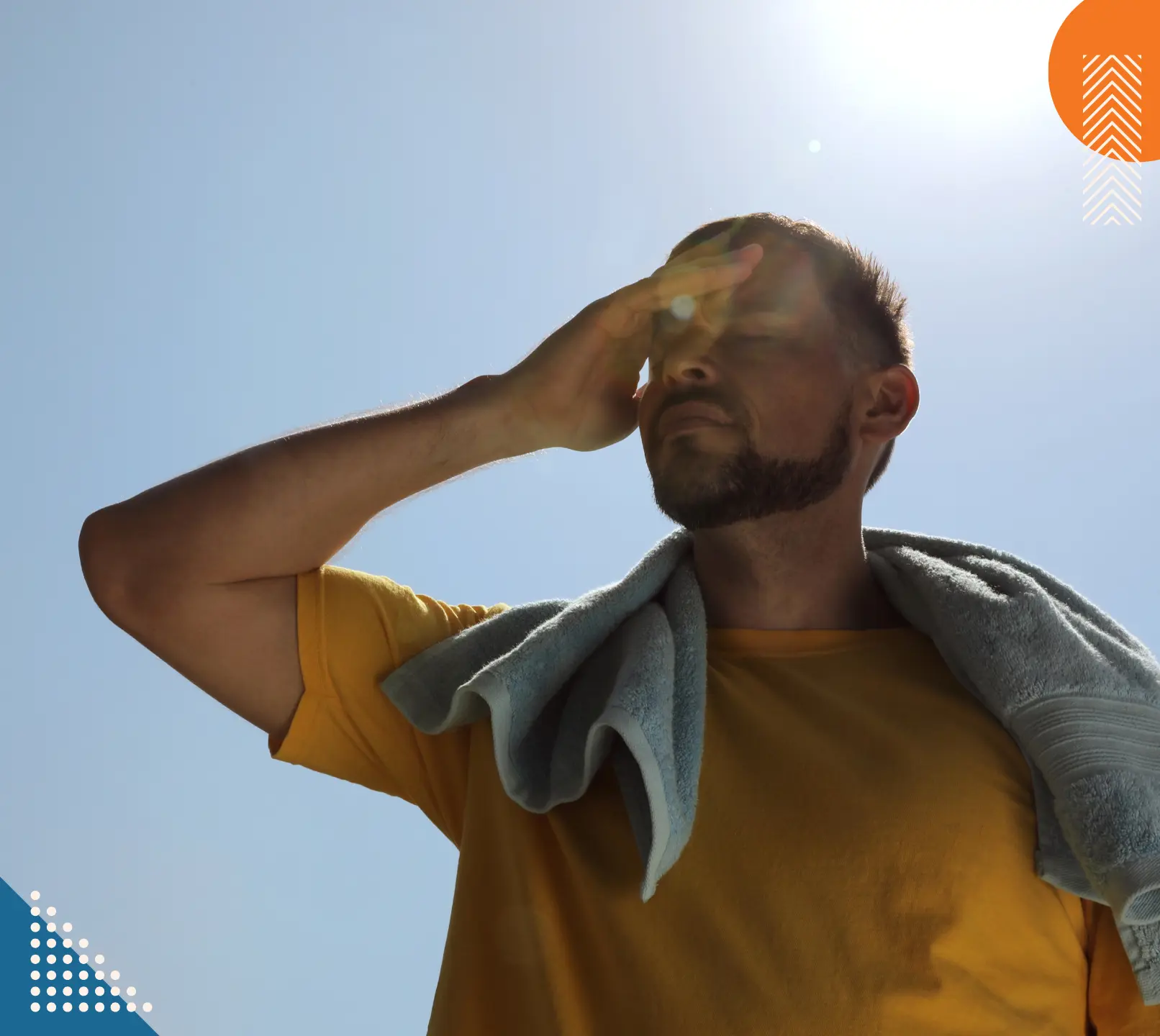
High temperatures and humidity can make breathing harder, especially for people with asthma. During extreme heat, the body works harder to cool down, which can lead to airway inflammation, increased mucus production, and airway narrowing (bronchoconstriction).
Hot weather also affects the environment: air quality may deteriorate, with higher levels of pollution, ozone, and airborne allergens. Humid air can trap pollen, dust, mould spores, and smoke, all of which can irritate sensitive airways.
For many people with asthma, these factors combine, heat itself plus environmental changes to trigger symptoms or worsen asthma control.
Common Triggers During Hot Weather
Asthma and allergy triggers vary between indoor and outdoor settings. Outdoors, pollen, smoke, and heat-driven pollutants are common culprits. Indoors, high humidity can encourage mould, dust mites, and poor ventilation can worsen air quality. Both environments can provoke symptoms, so awareness and prevention are key.
Outdoor Triggers
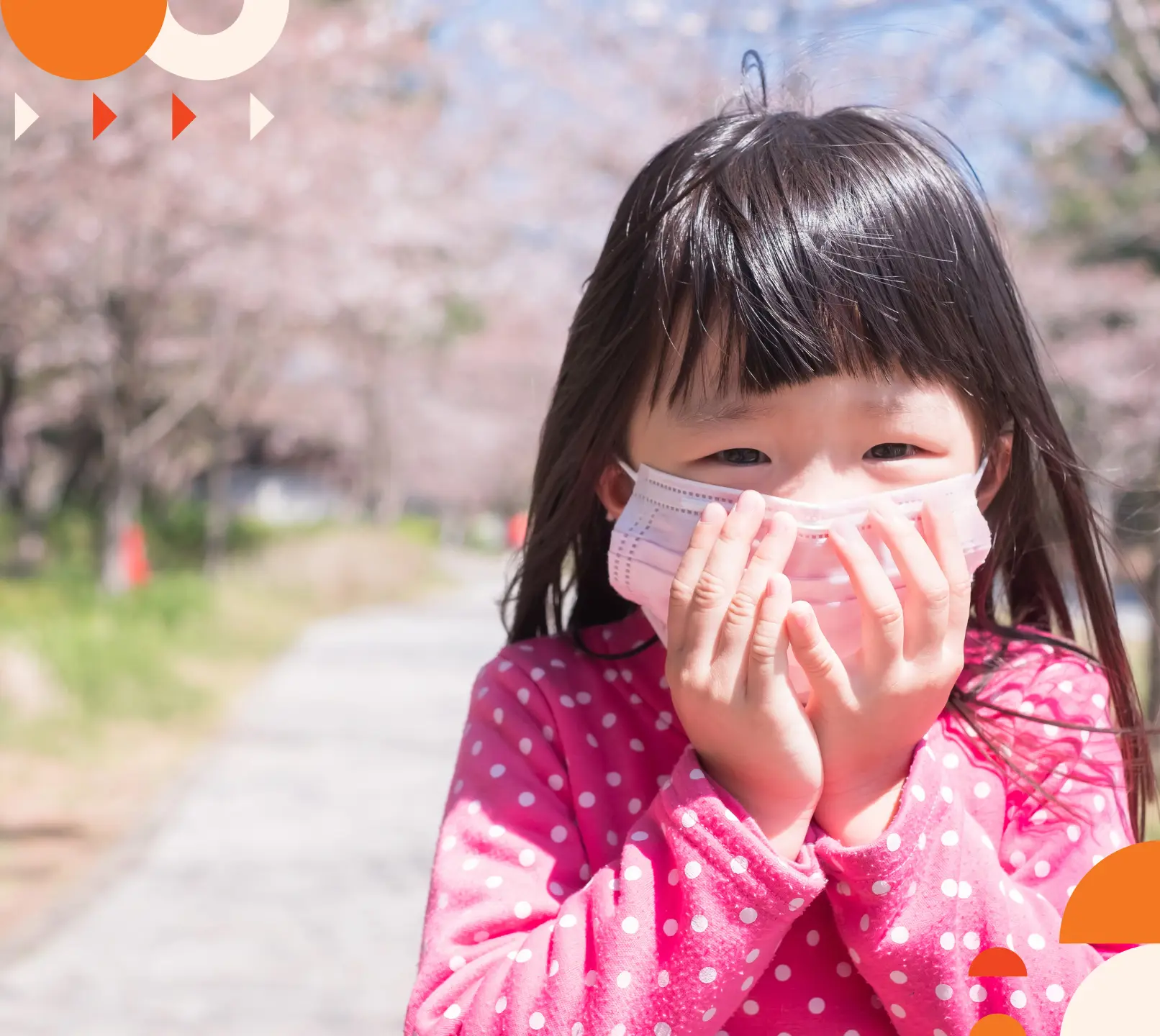
During summer, pollen levels from grasses, trees, and weeds often peak. Hot, dry, or windy conditions help pollen become airborne, increasing the risk of allergic reactions or asthma symptoms.
Air pollution and ozone levels also tend to rise in hot weather. Bushfire smoke is another significant outdoor trigger that can provoke asthma attacks and worsen respiratory symptoms.
Indoor and Environmental Triggers
Indoors, high humidity creates ideal conditions for dust mites and mould growth. Poor ventilation, damp areas such as bathrooms or laundry rooms, and air-conditioning units can worsen indoor air quality.
Other indoor triggers include household dust, pet dander, and indoor pollutants from cooking or heating. Monitoring home humidity and controlling allergens can help reduce symptoms during hot weather.
Symptoms to Watch For in Heat
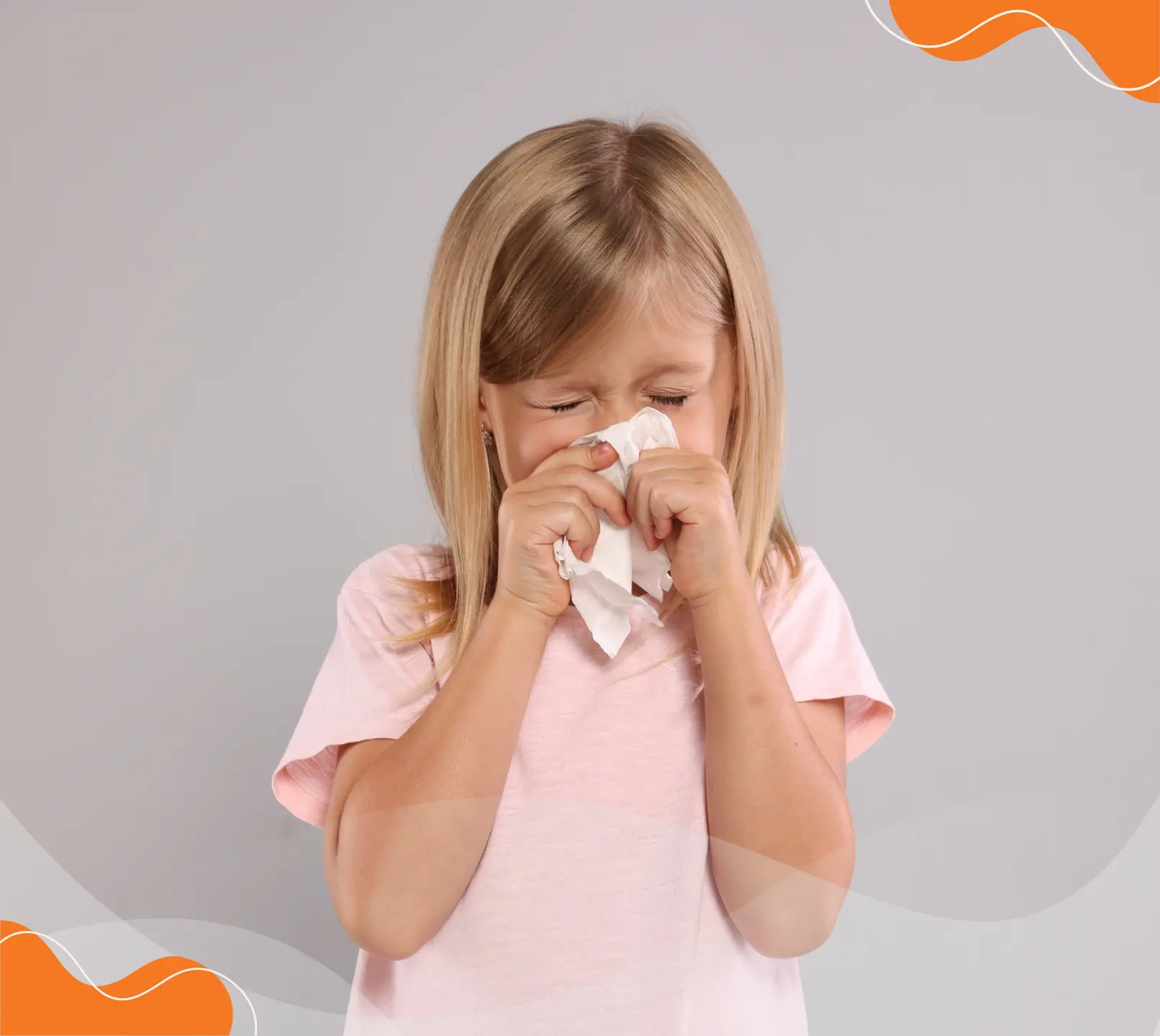
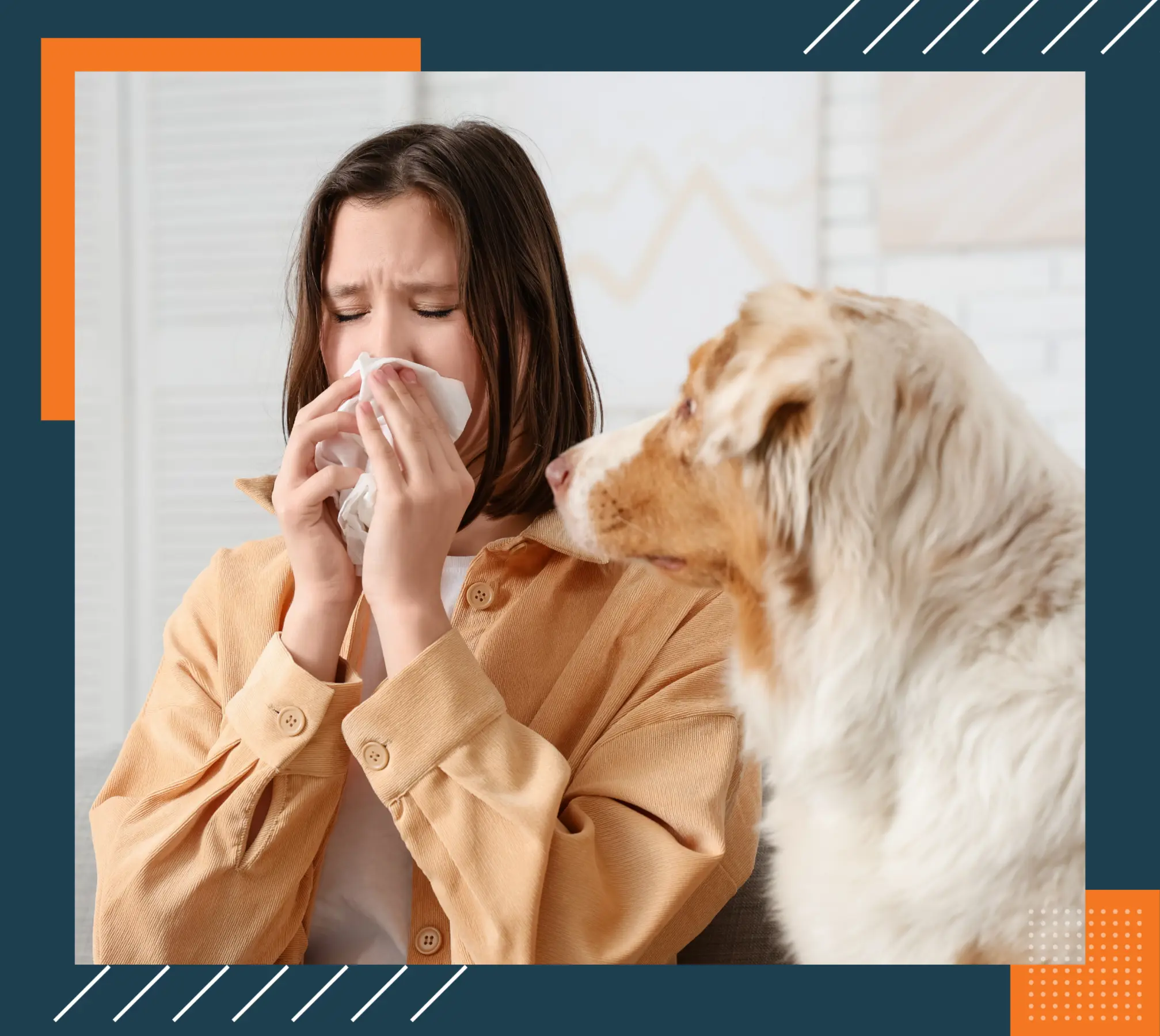
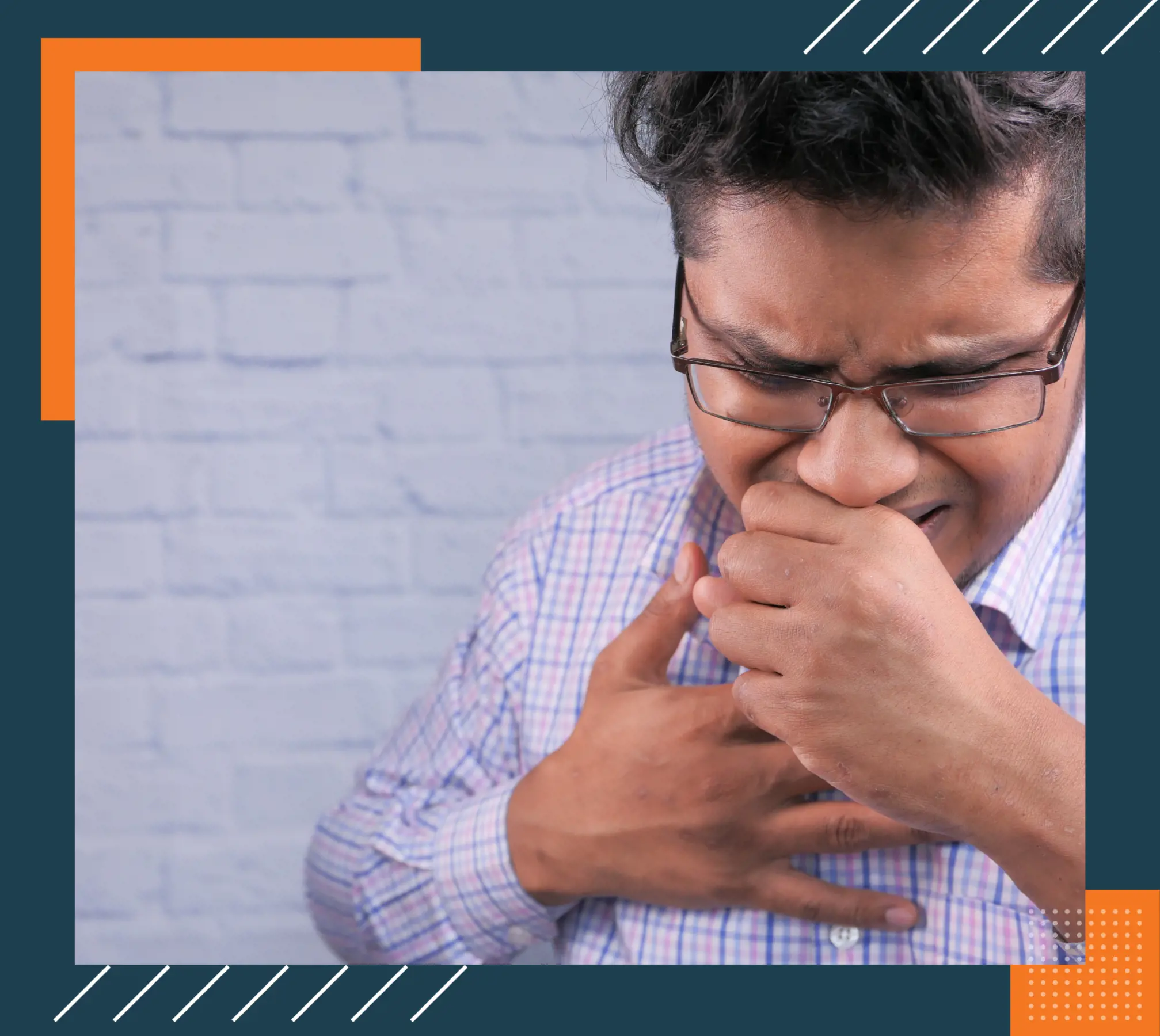
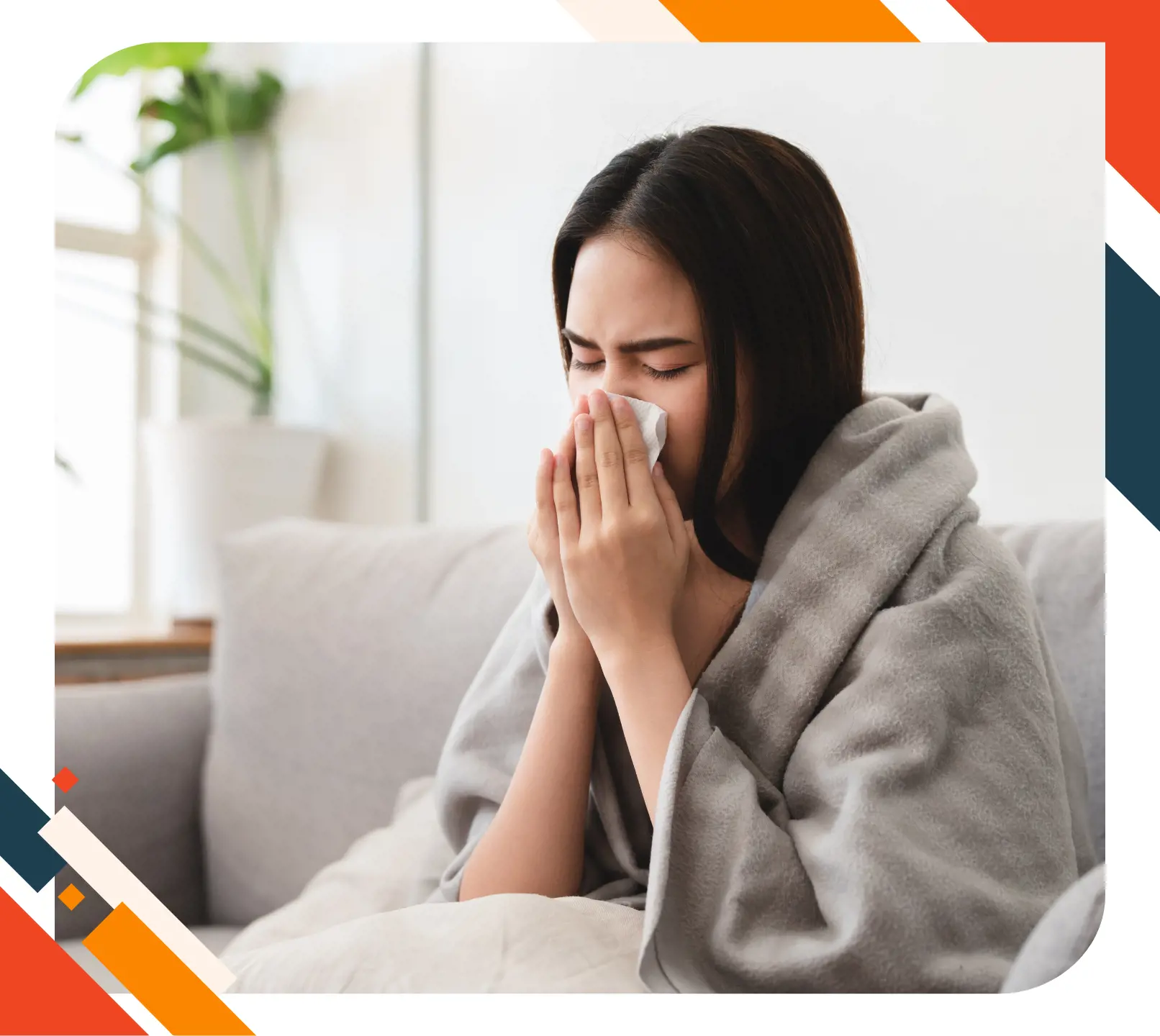
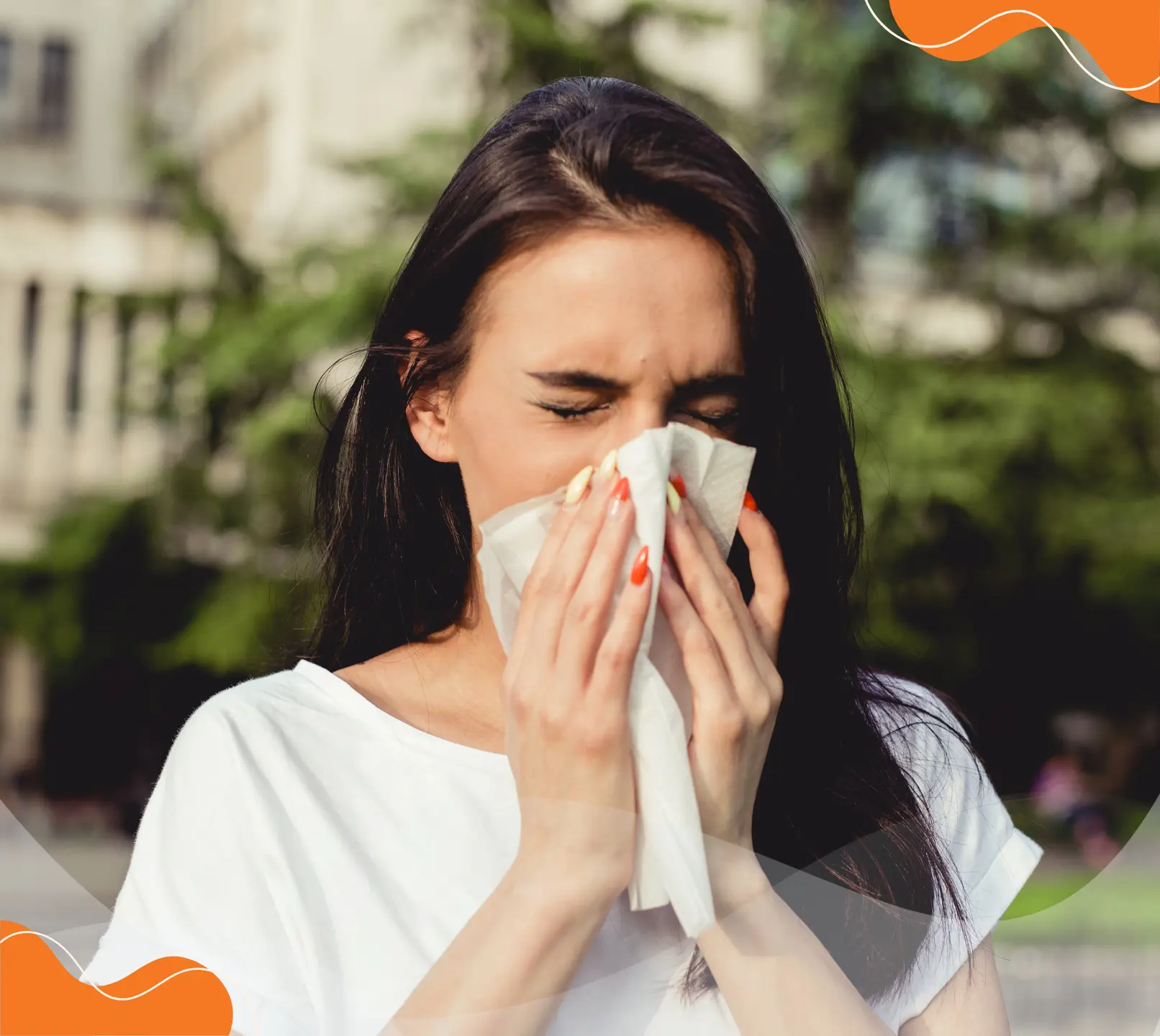
Asthma symptoms in hot weather can include wheezing, shortness of breath, chest tightness, coughing, and difficulty breathing. Allergy symptoms may include sneezing, nasal congestion, itchy or watery eyes, and skin irritation.
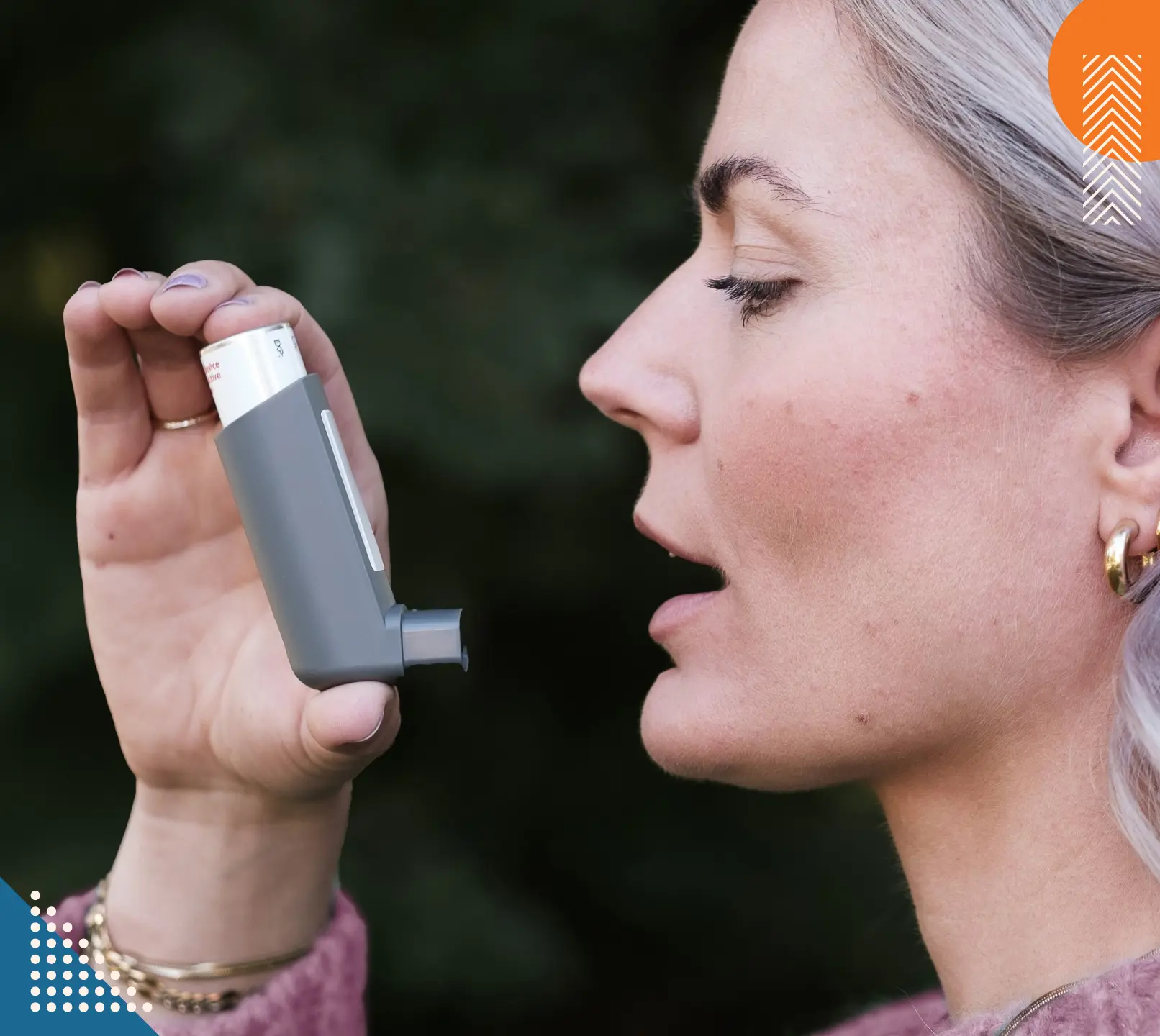
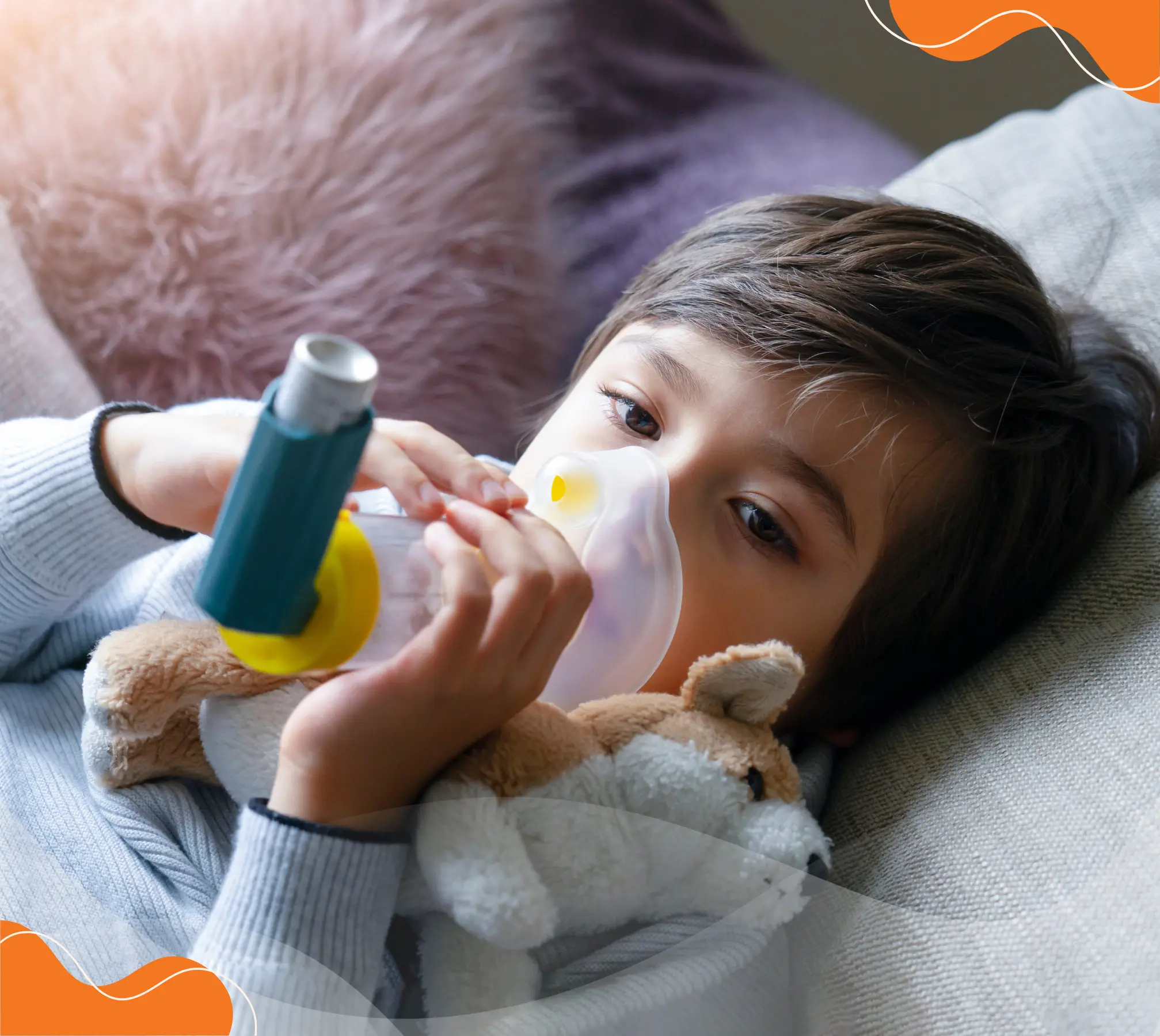
Heat and humidity can intensify these symptoms, making them harder to manage. People may notice that usual medications are less effective or that breathing feels more laboured during high temperatures. Early recognition and timely use of preventer and reliever medications can help maintain control and reduce the risk of severe flare-ups.
Monitoring symptoms daily, especially during heatwaves, is essential for people with asthma or allergies.
Red-Flag Symptoms
Seek urgent care if you experience:
Increased reliance on reliever inhalers
Breathlessness at rest or difficulty speaking
Persistent wheezing or coughing that does not improve with medication
Severe allergy reactions, such as facial swelling, hives, or throat tightness
Heat-related asthma or allergy flare-ups can escalate quickly. Seek urgent care if you have chest tightness, wheezing, or facial swelling.
Managing Asthma & Allergies During Heatwaves
Planning Ahead
Check daily weather forecasts and pollen alerts.
Track local air quality and smoke warnings.
Limit outdoor activities during peak heat, high pollen, or poor air quality periods.
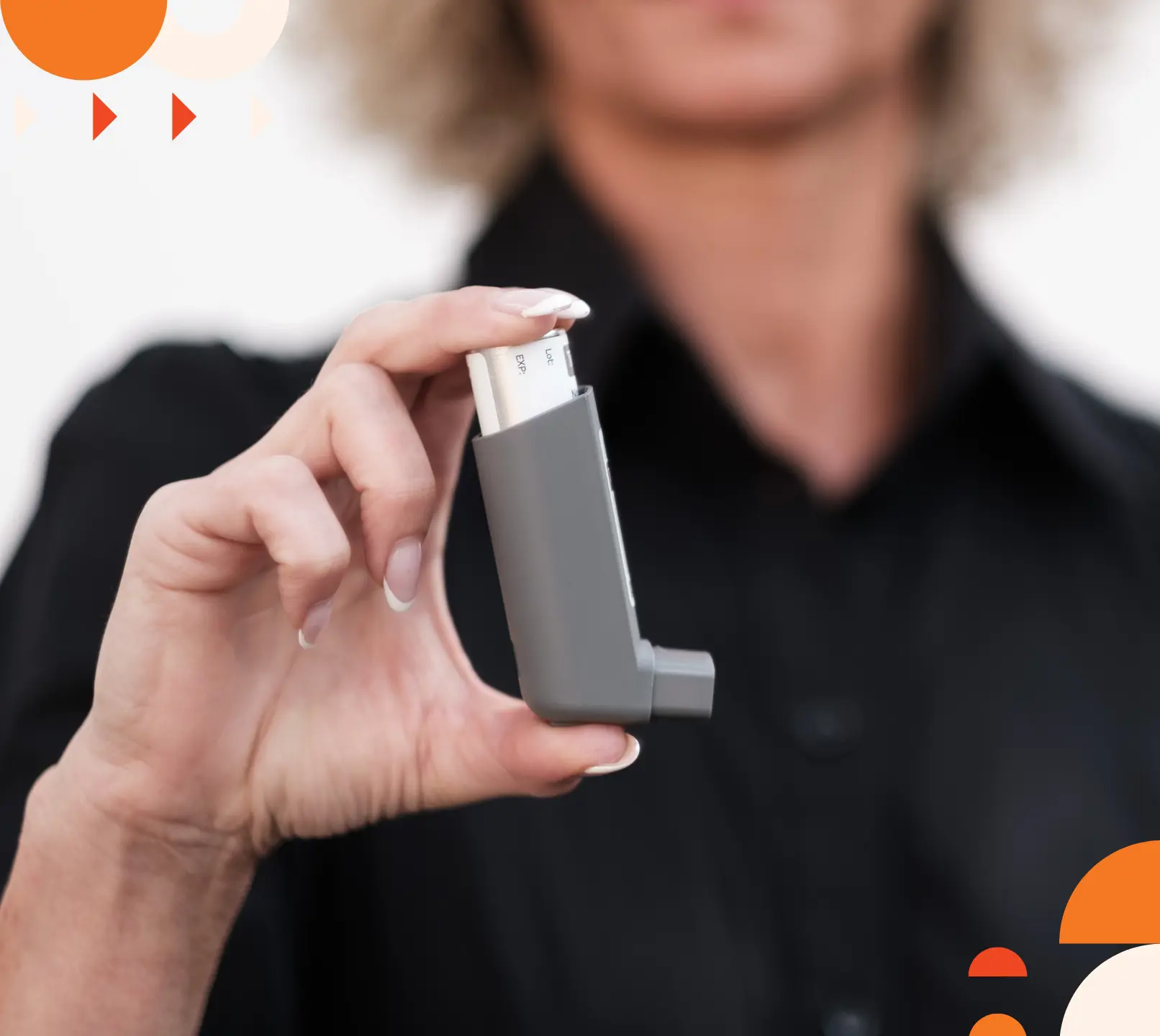
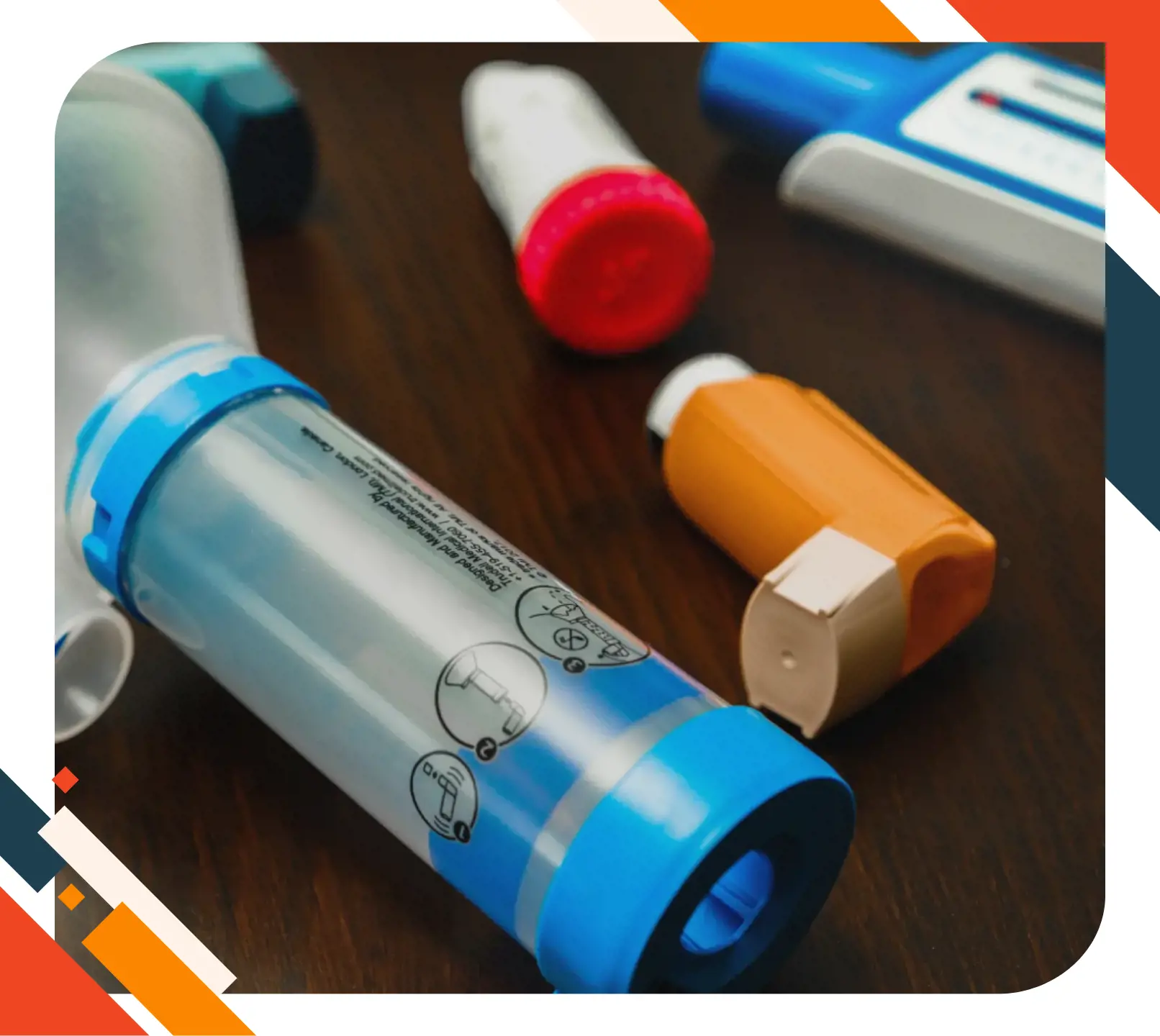
Keep medications accessible and ensure inhalers are not exposed to extreme heat.
Stay hydrated and wear light, breathable clothing to reduce heat stress.
Avoiding Triggers
Stay indoors during high-risk times and use air-conditioning or fans with clean filters.
Reduce exposure to outdoor allergens by closing windows and using HEPA filters if possible.
Keep indoor humidity below 50% to minimise dust mites and mould.
Avoid smoke, heavy traffic areas, and bushfire smoke exposure.
Shower and change clothes after being outdoors to remove pollen.
People with asthma or severe allergies should treat heatwaves as a health alert, not just an inconvenience.
Medications and Action Plans in Summer
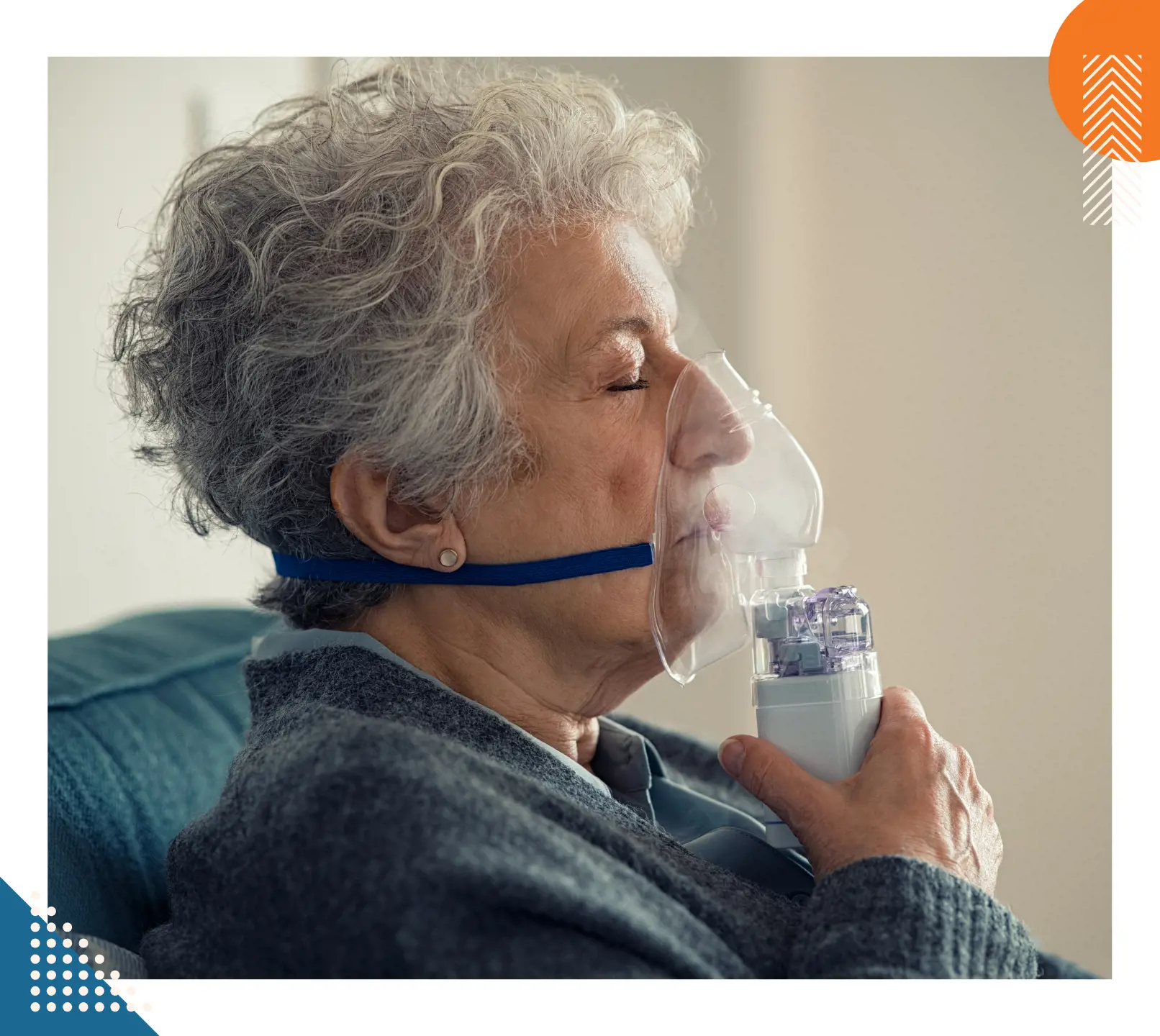
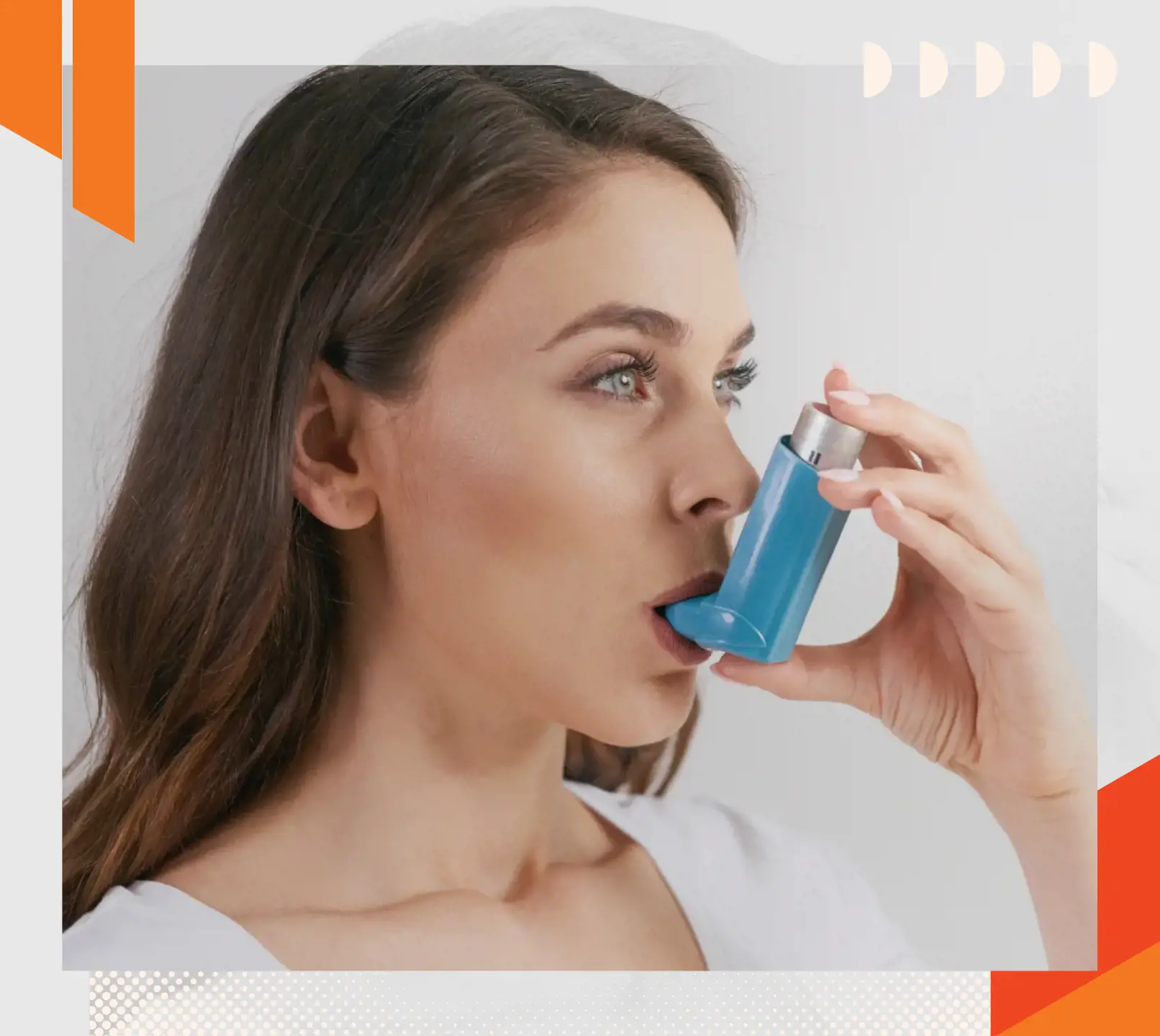
Hot weather can worsen asthma and allergy symptoms, making it essential to review and update your action plans ahead of summer. Maintaining controller medications daily is crucial, relying only on relievers can leave you vulnerable to flare-ups. Regularly check inhaler technique, medication expiry, and ensure your plan reflects seasonal triggers and expected heatwaves.
Ensure your Asthma Action Plan is up to date
Before summer, review your asthma action plan with your GP. Update triggers, symptom thresholds, and medication adjustments. Make sure family members or carers know how to respond to flare-ups. Seasonal updates can prevent emergencies during heatwaves or high-allergen days
Allergy Medication Guidance
Preventative allergy treatments, such as antihistamines, nasal sprays, or eye drops, should be reviewed before peak pollen seasons. Your GP can advise on timing, dosage, and whether changes are needed for summer exposure. Starting treatment early can reduce the severity of symptoms.
When to Seek Medical Help
Seek urgent care if you experience frequent reliever use, wheezing at rest, shortness of breath, or severe allergic reactions such as swelling or hives. Heat can amplify asthma and allergy risks, so delaying care may lead to serious complications. Early medical attention ensures safe symptom control and prevents escalation.
Book an Asthma or Allergy Review at Myhealth
Myhealth GPs can help manage asthma and allergies during summer, including reviewing medications, action plans, and trigger management. Early-season planning helps prevent flare-ups during heatwaves or high-pollen periods.
Book a check-up or travel consult at your local Myhealth clinic to stay prepared and protected this summer.
FAQs About Asthma & Allergies in Hot Weather
Can high humidity trigger allergy symptoms, too?
Yes. High humidity can increase indoor moisture, encouraging mould growth and dust mites, common allergy triggers. Humid air can also make pollen and spores stickier, increasing exposure. People with allergies may notice sneezing, congestion, itchy eyes, or worsening asthma symptoms during humid periods. Monitoring indoor humidity and using dehumidifiers or air-conditioning can help reduce symptoms.
Can hot weather trigger asthma even if I’m not exercising?
Absolutely. Heat itself can irritate airways, and high temperatures often coincide with poor air quality, smoke, and pollen, all of which can trigger asthma attacks. Even without physical activity, breathing hot, humid, or polluted air can lead to wheezing, shortness of breath, or chest tightness. Staying in cooler, well-ventilated areas can help reduce risks.
How do I tell the difference between asthma and hayfever symptoms?
Asthma typically affects the lungs, causing wheezing, coughing, chest tightness, and shortness of breath. Hayfever mainly affects the nose, eyes, and throat, causing sneezing, congestion, and itchy, watery eyes. However, both can occur together, and overlapping symptoms may make it hard to distinguish, so consulting a GP can clarify your triggers.
Should I change my asthma or allergy medication routine during summer?
Not without guidance. Preventer medications for asthma should usually be maintained year-round, while relievers are used as needed. Allergy medications may need to start earlier in peak pollen season. Always review your plan with a GP before making adjustments to ensure adequate protection against summer triggers.
Useful Resources
Asthma Australia. Diagnosing Asthma. https://asthma.org.au/about-asthma/diagnosis/
Asthma Australia. Healthy Homes Guide (Homeowner). https://asthma.org.au/wp-content/uploads/2023/08/AA23_Healthy-Homes-Guide_Homeowner_v3.pdf
Asthma Australia. Healthy Homes Guide (Renter). https://asthma.org.au/wp-content/uploads/2023/08/AA23_Healthy-Homes-Guide_Renter_v5.pdf
National Asthma Council Australia. Healthy in the Heat Factsheet. https://www.nationalasthma.org.au/living-with-asthma/resources/patients-carers/factsheets/healthy-in-the-heat
National Asthma Council Australia. Hot Weather and Asthma Fact Sheet. https://files.nationalasthma.org.au/resources/Hot-Weather-and-Asthma-Fact-Sheet-2023-FINAL.pdf
National Asthma Council Australia. Mould: Triggers My Asthma and Allergies Factsheet. https://www.nationalasthma.org.au/living-with-asthma/resources/patients-carers/factsheets/mould-triggers-my-asthma-and-allergies
National Asthma Council Australia. Dust Mites Trigger My Asthma and Allergies Factsheet. https://www.nationalasthma.org.au/living-with-asthma/resources/patients-carers/factsheets/dust-mites-trigger-my-asthma
Healthdirect Australia. Dust Mites Overview. https://www.healthdirect.gov.au/dust-mites
Medical News Today. How Hot Weather Affects Asthma. https://www.medicalnewstoday.com/articles/325474