

Exercising in the Heat: How to Stay Safe for Summer Workouts
Exercising in hot weather can push your body harder than you expect. With Australia’s warm climate and frequent heatwaves, it’s especially important to understand how heat affects your workout and your health. This guide explains the risks, how to stay safe, the importance of hydration, and the warning signs you should never ignore. Whether you’re running, walking, or training outdoors, a few smart precautions can help you enjoy summer exercise without putting yourself at risk.
Why Hot Weather Changes the Way You Exercise
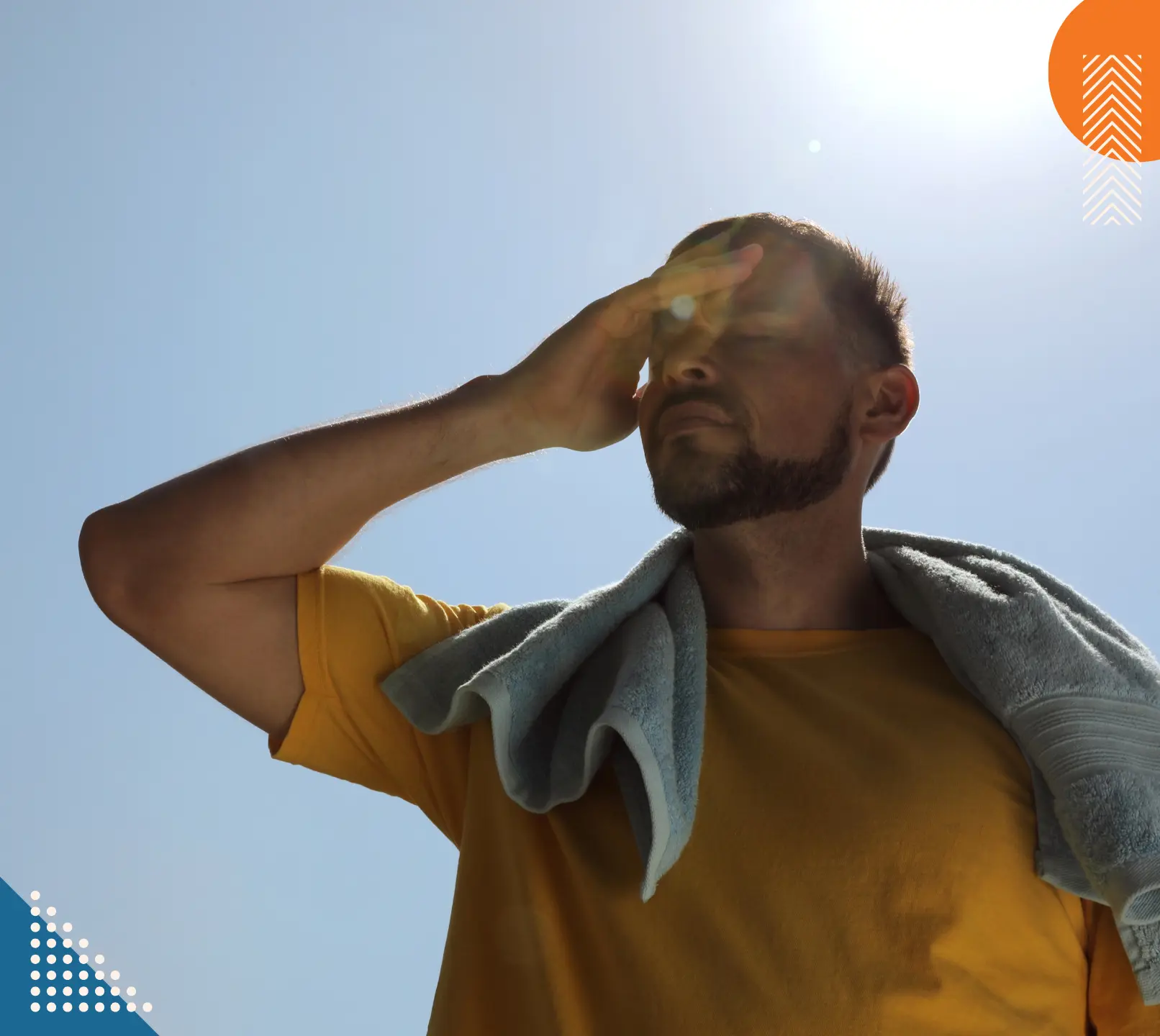
When it’s hot, your body works much harder to keep your temperature stable. More blood is directed to the skin to release heat, which means your heart rate increases even at your usual pace. You’ll sweat more, lose fluids faster, and your effort level may feel higher than normal. Humidity makes it worse, when the air is moist, sweat can’t evaporate as easily, so you heat up more quickly. These changes can make outdoor workouts feel tougher and increase the risk of dehydration or overheating.
Risks of Exercising in the Heat
Types of Heat-Related Illness
Heat-related illness develops gradually and can escalate quickly if early signs are missed:
Heat cramps: Painful muscle spasms caused by fluid and electrolyte loss. Often the first warning sign that your body is struggling.
Heat exhaustion: Symptoms include heavy sweating, dizziness, nausea, headache, rapid pulse, and intense thirst. Without treatment, it can progress to something more serious.
Heat stroke: The most severe form. The body can no longer cool itself, leading to confusion, hot dry skin, collapse, or seizures. It can cause organ damage and is life-threatening if not treated urgently.
Heat stroke is a medical emergency. If someone becomes confused, stops sweating, or faints, call emergency services immediately.
Who’s Most at Risk?
Certain groups are more vulnerable to heat-related illness and need extra care during hot weather workouts. Children and older adults have less efficient temperature regulation, making it harder for their bodies to cool down. People with chronic conditions, such as heart, respiratory, or kidney disease or those taking medications that affect hydration or sweating are also at higher risk. Anyone who isn’t used to the heat, including travellers or individuals returning to exercise after cooler months, should take gradual steps when training outdoors.
How to Prepare for Exercising in the Heat
Before You Exercise Outdoors
Schedule your workouts for early morning or late evening when temperatures are lower.
Choose light, breathable, moisture-wicking clothing.
Check the weather forecast, paying attention to humidity and UV levels.
Apply sunscreen before heading out.
Warm up gently to allow your body to adjust to the conditions.
Staying Safe While Exercising
Drink water regularly to prevent dehydration.
Take breaks in shaded or cool areas.
Pay attention to how your body feels and slow down if needed.
Adjust your intensity or shorten your session during extreme heat.
Avoid training in direct sun or high-risk areas like radiating asphalt or open roads.
How to Recognise It’s Time to Stop
Heat stress can sneak up quickly, so it’s important to know when to pause your workout. Warning signs include dizziness, headache, nausea, rapid heartbeat, chills, or feeling unusually tired. Mental changes such as irritability, confusion, or trouble concentrating are also red flags. If you notice any of these symptoms, stop immediately, move to a cooler place, and hydrate. If symptoms worsen or don’t settle, seek medical assistance to prevent a more serious heat-related illness.
Don’t try to “push through” in hot weather. It’s not worth the risk.
When to Speak With a GP or Exercise Professional
Some situations require professional guidance before exercising in hot weather. If you have chronic health conditions, take medications that affect hydration or heart function, or have previously experienced heat-related illness, it’s important to consult a GP.
A doctor can review your medications, assess your risk, and provide personalised advice on safe exercise intensity and timing. Similarly, an exercise professional can help design a routine that balances fitness goals with heat safety, ensuring you train effectively without putting your health at risk.
Book a Health Consult at Myhealth
At Myhealth, GPs can provide expert guidance to ensure your summer workouts are safe. They can assess your risk factors, such as hydration status, medications, and chronic health conditions, and offer tailored exercise advice. Whether you’re planning to start running, cycling, or outdoor gym sessions, a consultation can help you prevent heat-related complications.
Booking an appointment before beginning a hot-weather fitness routine is a proactive step to protect your health and enjoy summer exercise safely. Book a Myhealth appointment today and get personalised guidance for exercising safely in the heat.
FAQs About Exercising in the Heat
How much water should I drink before and during a workout in the heat?
Hydration is key to staying safe. Drink water 1–2 hours before exercise (around 500mL) and sip regularly during your workout, aiming for 150–250mL every 20 minutes depending on intensity and sweat rate. After exercise, rehydrate to replace fluids lost through sweat. Listen to your body - thirst, dark urine, or dry mouth are signs you need more fluids. Avoid relying solely on thirst as proactive hydration is safer in hot weather.
Do electrolyte drinks help during hot-weather exercise?
Electrolyte drinks can be useful for longer or very intense workouts, especially if you’re sweating heavily. They replace salts like sodium and potassium lost through sweat, helping prevent cramps and maintain hydration. For most short or moderate sessions, water alone is usually sufficient. Choose drinks with moderate sugar content and avoid overconsumption, as too much can cause stomach discomfort.
Can I work out safely during a heatwave?
Exercise during a heatwave carries higher risk, particularly when temperatures exceed 30°C and humidity is high. If possible, postpone outdoor workouts or move them indoors to air-conditioned spaces. If you must exercise outside, do so early in the morning or late evening, shorten your session, reduce intensity, and prioritise shade and hydration. Always monitor your body for warning signs of heat stress.
How long does it take to acclimatise to exercising in hot weather?
Acclimatisation usually takes 1–2 weeks of gradual exposure. Start with shorter, lower-intensity sessions and slowly increase duration and effort as your body adjusts. Over this period, sweating becomes more efficient, heart rate stabilises, and your perceived exertion decreases. Even after acclimatisation, extreme heat can still be risky, so always adapt your exercise to current conditions and listen to your body.
Useful Resources
Asthma Australia. Diagnosing Asthma. Retrieved December 2025, from https://asthma.org.au/about-asthma/diagnosis/
Sports Medicine Australia. Hot Weather Guidelines. Retrieved December 2025, from https://sma.org.au/resources/policies-and-guidelines/hot-weather/
Better Health Channel. Exercise Safety. Retrieved December 2025, from https://www.betterhealth.vic.gov.au/health/HealthyLiving/exercise-safety
NSW Health. Beat the Heat: Hot Weather Health Facts. Retrieved December 2025, from https://www.health.nsw.gov.au/environment/factsheets/Pages/beat-the-heat.aspx
HealthDirect Australia. Hot Weather Risks and Staying Cool. Retrieved December 2025, from https://www.healthdirect.gov.au/hot-weather-risks-and-staying-cool
Queensland Health. Heat-Related Illness. Retrieved December 2025, from https://www.qld.gov.au/health/condition/environmental-health/heat-related-illness/heat-related-illness
Comcare. Heat Stress and Prevention. Retrieved December 2025, from https://www.comcare.gov.au/safe-healthy-work/prevent-harm/seasonal-hazards/heat