

Your Guide to Sunscreen: How to Use It, Choose It & Protect Your Skin Daily
Sunscreen is one of the most effective tools we have to prevent sun damage, from painful sunburn to increased risk of skin cancer. But many Australians use it incorrectly or skip it altogether. This blog aims to give you a clear, practical guide to using sunscreen properly and protecting your skin every day.
Most people apply less than half the recommended amount, cutting their protection in half.
What Is Sunscreen and How Does It Protect Your Skin?
Sunscreen is a cream or lotion designed to block or absorb harmful ultraviolet (UV) radiation from the sun. UV rays, including UVA and UVB, are invisible but can cause serious skin damage. UVB is mainly responsible for sunburn, while UVA penetrates deeper, contributing to skin ageing and long‑term damage.
Broad‑spectrum sunscreen filters both UVA and UVB, making it especially important in Australia where UV exposure is high. Sun protection doesn’t eliminate all UV risk, but used properly, sunscreen significantly reduces the risk of burns, premature ageing, and skin cancer.
How to Use Sunscreen Properly
It’s not just about using sunscreen, it’s about using it the right way.
Follow this guide for best protection:
Choose sunscreen with minimum SPF (Sun Protection Factor) 30+ (ideally SPF50 or 50+), labelled broad‑spectrum (protects against both UVA and UVB) and water-resistant.
Apply 20 minutes before going outdoors, on clean, dry skin.
Use about 1 teaspoon per body part (arms, legs, front, back, face/neck/ears). For a full‑body application on an adult, that means about 7 teaspoons (≈ 35 mL).
Reapply every 2 hours, or sooner if swimming, sweating or towel‑drying, even if the sunscreen is water‑resistant.
Cover all exposed skin, ears, neck, scalp (or hairline), feet, lips.
Store sunscreen in a cool, dry place (ideally under 30°C) and check the expiry date as old sunscreen may not protect properly.
Common Sunscreen Mistakes to Avoid
Compared with the correct usage above, many people fall into patterns that reduce sunscreen effectiveness.
Common missteps include:
Relying only on makeup with SPF instead of proper sunscreen - cosmetics aren’t tested like sunscreens and may not provide reliable protection.
Using expired products - old sunscreen may no longer block UV rays effectively.
Skipping sunscreen on cloudy or cool days - UV rays can still be strong even when it doesn’t feel hot.
Assuming that darker skin doesn’t need sunscreen - Everyone benefits from protection. UV damage accumulates over time.
Not applying enough - using too little sunscreen undermines its effectiveness. Many people use less than the recommended amount.
Thinking “water-resistant” means “set and forget” - water‑resistant doesn’t mean waterproof, so you still need to reapply.
Sunscreen is not waterproof, and no product blocks 100% of UV rays.
Choosing the Right Sunscreen
Choosing the right sunscreen starts with understanding what makes a product protective and suitable for your skin. SPF measures how well it protects against UVB radiation, higher numbers (SPF50/50+) offer stronger defence. Always choose broad-spectrum formulas, as they protect against both UVA and UVB, which is essential in Australia’s high-UV environment.
You’ll find mineral (physical) sunscreens, which use zinc oxide or titanium dioxide to reflect UV, and chemical sunscreens, which absorb UV before it damages the skin. Mineral options tend to suit sensitive skin but may feel heavier, while chemical formulas spread easily and suit daily use.
When choosing for sensitive or acne-prone skin, look for fragrance-free, non-comedogenic products. Kids benefit from SPF50+ and easy-to-apply formulations. For sport or water activities, choose water-resistant, long-wearing sunscreens. In Australia, ensure the product is TGA-approved, indicated by an AUST L or AUST R number on the label.
How to Match Sunscreen to Your Lifestyle
Building on the section above, your ideal sunscreen depends on where and how you spend your day.
Here’s a quick guide:
Outdoor workers: Choose sweat-resistant, water-resistant SPF50+. Reapply every 2 hours and after wiping sweat.
Parents: Choose child-friendly SPF50+ lotions or roll-ons. Build sunscreen into the morning routine and pack extra for school bags.
Makeup wearers: Apply SPF under makeup; use SPF setting sprays or powders to reapply without smudging.
Active users (runners, gym, sport): Use high-SPF, rub-in formulas that won’t drip. Reapply during breaks.
Beachgoers: Reapply after every swim or towel-dry. Consider reef-safe mineral formulas if swimming in marine areas.
Office workers: A lightweight daily SPF (chemical or hybrid) works well for incidental sun exposure.
Book a Skin Check at Myhealth Clinic
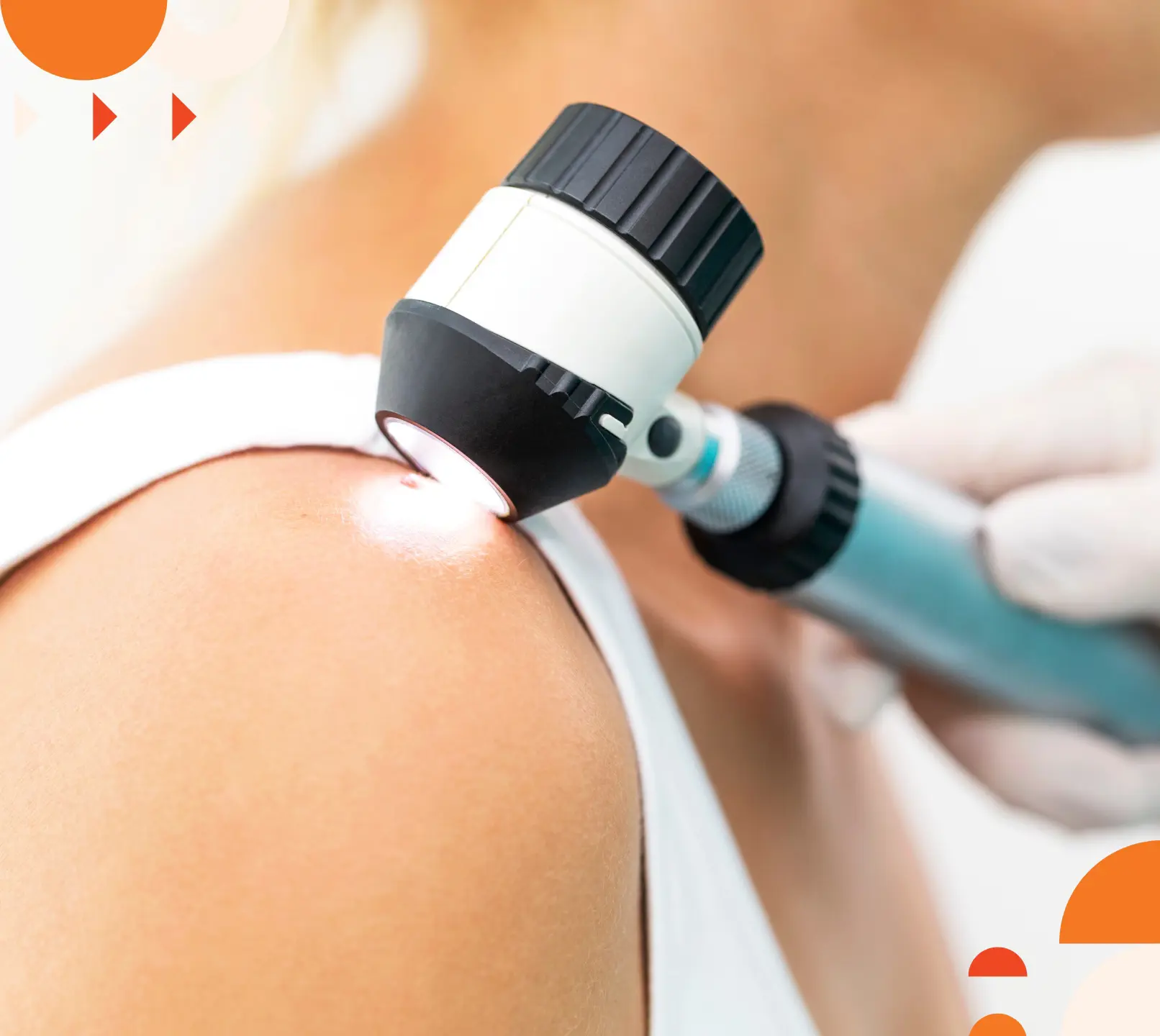
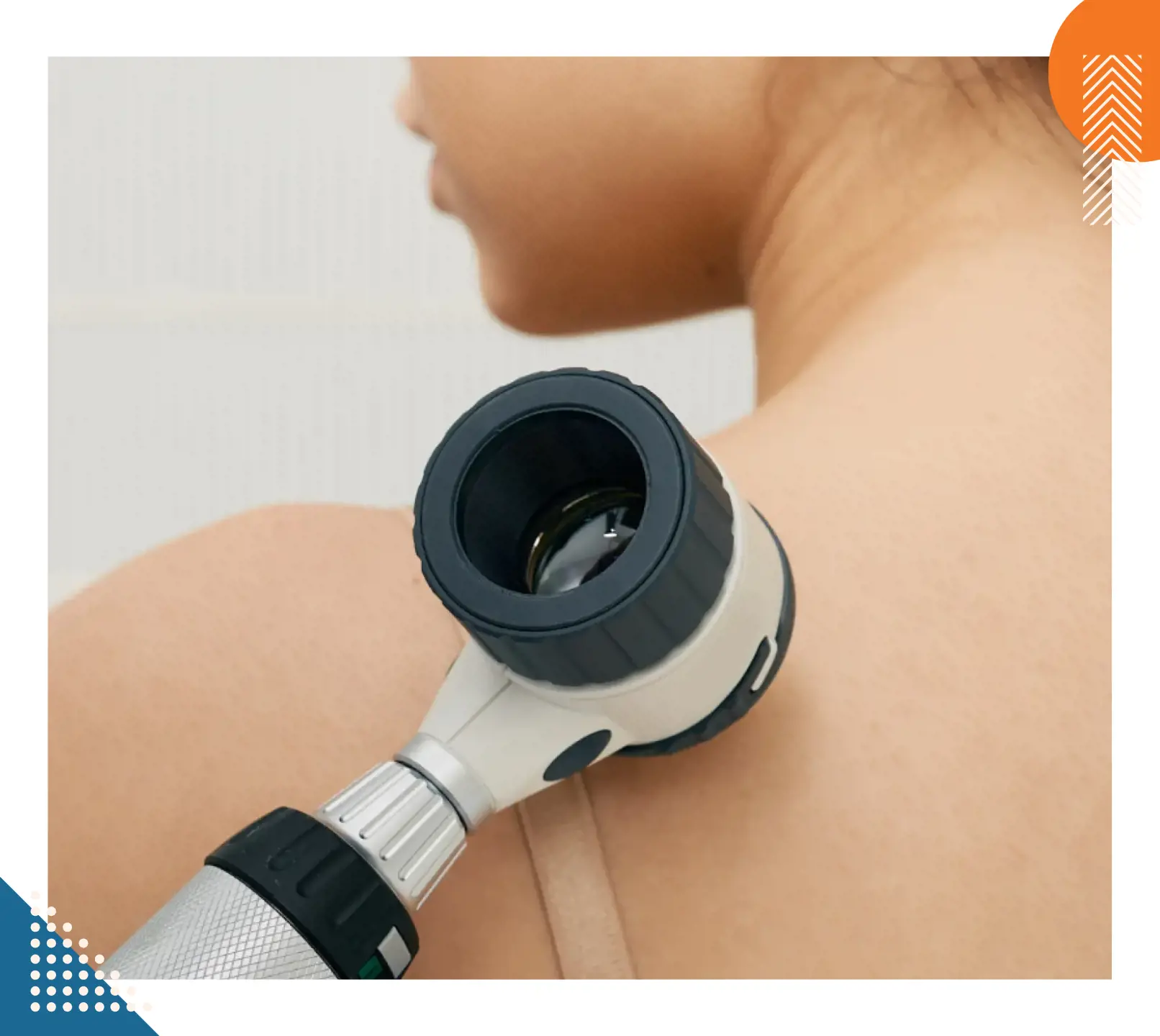
Good sunscreen habits are just one part of sun protection. Pairing them with regular skin checks helps catch early signs of sun damage or skin cancer. Myhealth GPs can assess your skin, monitor existing spots, and guide you on prevention based on your lifestyle and risk factors.
Whether you’ve noticed a new mole, a changing spot, or simply want peace of mind, booking a skin check is a smart step toward long-term skin health.
Book your skin check at a Myhealth clinic today.
FAQs About Sunscreen
Can I get enough vitamin D if I wear sunscreen every day?
Yes! Most people can still maintain healthy vitamin D levels while using sunscreen daily. Sunscreen reduces UV exposure, but it doesn’t block 100% of UV radiation, so your skin still receives small amounts needed for vitamin D production. In Australia, short incidental exposure (such as walking to your car or hanging out washing) is often enough for most people, even when wearing sunscreen. During winter or in southern states, people with limited sun exposure may need more monitoring.
If you’re concerned about low vitamin D, your GP can assess your levels and recommend safe strategies, including diet, supplements, or tailored sun exposure. It’s important not to intentionally sunburn or skip protection, as the risks of UV damage, skin cancer, premature ageing, and eye damage, outweigh the benefits of unprotected exposure. Daily sunscreen use remains the safest choice for most Australians.
Can sunscreen cause breakouts or irritation?
Some people may experience breakouts or irritation, but this usually depends on the formulation rather than sunscreen itself. Acne-prone skin may react to heavy or oily products, while sensitive skin may react to fragrance or certain UV filters.
To minimise this:
Look for “non-comedogenic”, oil-free, or gel-based sunscreens.
Choose mineral (zinc-based) formulas if you have highly sensitive or reactive skin.
Patch test a new sunscreen on the inner arm or behind the ear.
In Australia, TGA-approved sunscreens undergo safety and stability testing, meaning reactions are less common compared to cosmetic SPF products. If irritation, redness, stinging, or bumps persist, switch to a sensitive-skin formula or speak with your GP. People with known allergies (e.g., to preservatives or fragrances) may benefit from hypoallergenic or minimalist ingredient sunscreens. With the right product, almost everyone can find a sunscreen that protects without triggering breakouts.
Can I mix sunscreen with makeup or moisturiser?
It’s not recommended to mix sunscreen with makeup or moisturiser, as it dilutes the product and reduces the level of SPF protection. Sunscreen is tested at a specific concentration, and altering that amount changes how well it protects your skin. The safest method is to apply sunscreen as the final step of your skincare routine, allow it to set for a minute, then apply makeup on top.
If you want added convenience, choose a moisturiser or foundation that includes SPF, but use it in addition to, not instead of, a standalone sunscreen. These cosmetic SPFs don’t offer the same level of protection as TGA-approved sunscreens and are not applied in sufficient amounts for reliable coverage. For reapplication over makeup, consider SPF powders, sticks, or setting sprays, which help top up protection without disrupting your look.
Does sunscreen prevent tanning?
Sunscreen helps reduce tanning, but it doesn’t completely prevent it. Tanning is a sign of skin damage as your body produces more melanin in response to UV exposure. Even with SPF50+, a small amount of UV still reaches the skin, which can lead to gradual tanning over time. That’s why some people notice a mild tan even when they’re careful.
Using the right amount of sunscreen, reapplying often, and choosing broad-spectrum protection will minimise tanning and significantly reduce long-term damage. Wearing a hat, sunglasses, and UPF (ultraviolet protection factor) clothing offers extra defence, especially during peak UV hours. If you prefer a bronzed look, opt for self-tanning products rather than unprotected sun exposure. They provide colour without the risks associated with UV radiation.
Useful Resources
Cancer Council Australia. Sunscreen and sun safety.
https://www.cancer.org.au/cancer-information/causes-and-prevention/sun-safety/about-sunscreen
Cancer Council Australia. How to apply and store sunscreen.
https://www.cancer.org.au/cancer-information/causes-and-prevention/sun-safety/sunscreen/advice
ARPANSA (Australian Radiation Protection and Nuclear Safety Agency). Sun protection and sunscreen.
Healthdirect Australia. Sunscreen.
Cancer Council Australia. Vitamin D and sun protection.
https://www.cancer.org.au/cancer-information/causes-and-prevention/sun-safety/vitamin-d
Therapeutic Goods Administration (TGA). Regulation of sunscreens in Australia.