Knowing the Signs of Heat Stroke: Symptoms & When to Get Help
Heat stroke is a serious, life‑threatening condition caused by prolonged exposure to extreme heat. This post helps adults, parents and caregivers spot early signs, so you can act fast and stay safe during heatwaves or outdoor activity.
What Is Heat Stroke and Why It’s Dangerous
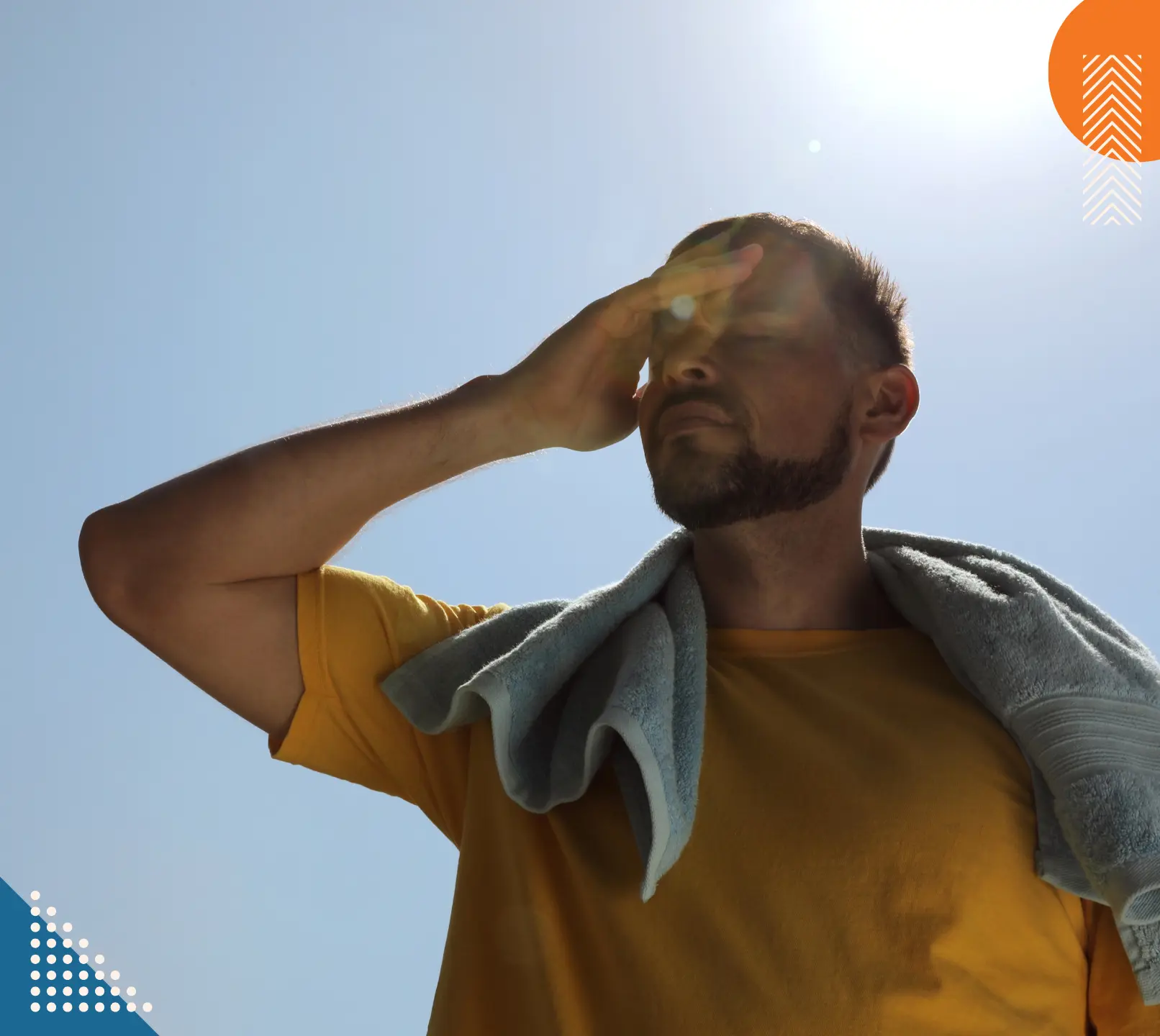
The most severe form of heat‑related illness, occurring when the body’s temperature regulation fails and core temperature spikes dangerously high. The body can no longer cool itself effectively, risking damage to vital organs like the brain, heart and kidneys. Without prompt treatment, heat stroke may cause seizures, unconsciousness or death.
Early Signs and Symptoms of Heat Stroke
Watch for:
Flushed or hot, dry skin (or sometimes heavy sweating)
Confusion, disorientated, agitation or slurred speech
Rapid heartbeat or fast, shallow breathing
Dizziness or feeling faint, headache, nausea or vomiting
Very high body temperature and possible muscle twitching or seizures
Heat stroke differs from heat exhaustion: unlike exhaustion, which often involves heavy sweating and weakness, heat stroke can present with hot dry skin, altered mental state and rapid deterioration.
Signs of Heat Stroke in Children
Children may show: irritability or unusual tiredness, very hot skin, vomiting, refusal to drink and may become unwell quickly.
Signs of Heat Stroke in Babies
In babies, warning signs include few or no wet nappies, dry skin or mouth, limp or floppy body, sunken eyes, or no tears when crying. Babies can deteriorate rapidly, see a doctor or call emergency help immediately.
If someone becomes confused, stops sweating, or collapses in the heat, call emergency services (000) immediately.
Severe or Life-Threatening Symptoms
Some heat stroke cases become life-threatening and require immediate medical attention.
Watch for:
Seizures or convulsions
Body temperature above 40°C
Unresponsiveness or loss of consciousness
Slurred speech or confusion
Very rapid heartbeat or breathing
These critical symptoms indicate that the body is no longer regulating temperature effectively. Immediate emergency care is essential to prevent organ damage or death. Even a short delay can have serious consequences.
Who’s Most at Risk of Heat Stroke?
Certain groups are more vulnerable:
Babies and young children
Older adults
People with chronic medical conditions (e.g., heart disease, diabetes)
Outdoor workers and athletes
At-risk individuals may not display typical warning signs and can dehydrate faster. Extra care, such as monitoring fluid intake and avoiding prolonged heat exposure, is crucial for these groups.
What to Do If You Suspect Heat Stroke
If you suspect heat stroke, act immediately:
Move the person to a cooler, shaded area
Remove excess clothing
Cool the body quickly using cool water, wet towels, or fans
Encourage drinking cool water if fully conscious and alert
Monitor breathing, pulse, and responsiveness
Call emergency services (000 in Australia) without delay
Do not attempt medications or home remedies unless advised by a medical professional. Rapid action can prevent serious complications.
Even a short delay in care can lead to serious complications. Act fast if symptoms are severe.
Preventing Heat Stroke
Prevention is key, especially during heatwaves:
Stay well hydrated throughout the day
Avoid strenuous activity during peak sun hours (10am – 4pm)
Wear lightweight, light-coloured clothing and a hat
Take frequent breaks in shaded or air-conditioned areas
Monitor children, babies, older adults, and at-risk individuals closely
Know early warning signs and act immediately if symptoms appear
Planning ahead, pacing outdoor activity, and recognising early signs can dramatically reduce the risk of heat stroke.
Book a GP Appointment at Myhealth
GPs can help you and your family prepare for hot weather safely. They provide guidance on hydration strategies, managing chronic health conditions during heatwaves, and recognising early warning signs. If you have concerns or want personalised advice, book an appointment at your nearest Myhealth clinic. A proactive plan can prevent heat-related complications and keep you safe during extreme temperatures.
FAQs About Heat Stroke
Can heat stroke happen indoors or at night?
Yes, heat stroke can occur indoors or at night, especially during heatwaves, in poorly ventilated rooms, or in spaces without air conditioning. Elderly people, infants, and those with chronic conditions are particularly vulnerable. High indoor temperatures can prevent the body from cooling effectively, leading to dangerously elevated core temperature. It’s important to monitor at-risk individuals, use fans or air-conditioning, stay hydrated, and avoid overdressing. Even without direct sun exposure, extreme heat can trigger heat stroke, so early recognition of symptoms like confusion, dizziness, or unusual fatigue is essential.
How is heat stroke different from heat exhaustion?
Heat exhaustion is a milder form of heat-related illness, usually marked by heavy sweating, headache, pale skin, fatigue, muscle cramps, and mild dizziness. In contrast, heat stroke is more severe: the body loses the ability to regulate temperature, which can cause hot, dry skin, rapid heartbeat, confusion, seizures, or loss of consciousness.
Heat stroke is a medical emergency requiring immediate treatment, whereas heat exhaustion can often be managed by cooling, hydration, and rest. Recognising the difference is critical, what begins as exhaustion can quickly progress to life-threatening heat stroke if not addressed promptly.
What should I do if I don’t have access to emergency help?
If emergency services are not immediately available, act quickly to reduce the person’s core temperature. Move them to a cool, shaded area, remove excess clothing, and use cool water, wet towels, or fanning to lower body temperature. Encourage cool water intake if they are fully alert and conscious. Monitor their breathing, pulse, and responsiveness closely. Continue cooling efforts until help arrives. Avoid medications or home remedies that are not clinically advised. Rapid and consistent cooling can be lifesaving and reduce the risk of permanent organ damage.
How long does it take to recover from heat stroke?
Recovery time varies depending on the severity of the heat stroke and how quickly treatment was provided. Mild cases may recover within several days with rest and proper hydration. Severe cases, particularly those involving organ damage or prolonged high body temperature, may require hospitalisation and can take weeks to fully recover. Some individuals may experience lingering fatigue, weakness, or difficulty concentrating for several weeks. Follow-up medical care is important to ensure full recovery and to monitor for complications such as kidney or neurological issues.
Can heat stroke cause lasting health damage?
Yes, severe heat stroke can cause lasting damage to organs such as the brain, heart, kidneys, or liver, particularly if treatment is delayed. Neurological complications, including memory issues, coordination difficulties, or cognitive changes, may persist. Repeated or extreme heat exposure can increase the risk of future heat-related illnesses. Early recognition, rapid cooling, and medical intervention are key to minimising long-term effects. Those who have experienced heat stroke should discuss ongoing monitoring with their GP to manage potential complications and reduce the risk of recurrence.
Useful Resources
NSW Health – Beat the Heat: Signs & First Aid for Heat‑Related Illness
https://www.health.nsw.gov.au/environment/beattheheat/Pages/heat-related-illness.aspx
HealthDirect Australia – Hot Weather Risks and Staying Cool
https://www.healthdirect.gov.au/hot-weather-risks-and-staying-cool
Sydney Children’s Hospitals Network – Heat Illness in Babies and Children
ACT Government – Staying Well During Hot Weather
https://www.act.gov.au/health/topics/summer-safety
Queensland Government – Heat‑Related Illness Guidance
https://www.qld.gov.au/health/staying-healthy/environmental/heatsafe/heat-related-illness
Comcare – Extreme Heat and Workplace Safety
https://www.comcare.gov.au/safe-healthy-work/prevent-harm/extreme-weather/extreme-heat