
Key Takeaways:
• Flu and pneumonia are different illnesses, but flu is one of the most common triggers of pneumonia
• Pneumonia can develop 5 to 10 days into a flu illness, sometimes after you've started to feel better — this "secondary dip" is a warning sign
• Older Australians, people with chronic conditions, pregnant women, and young children are at significantly higher risk
• The flu vaccine and the pneumonia vaccine can both be given at the same GP appointment
• Warning signs that flu may be turning into pneumonia include a returning fever, chest pain, breathlessness, and discoloured phlegm. See a GP promptly.
Most people who get the flu (influenza) recover within one to two weeks and feel back to themselves before long. But for some people, particularly those in higher-risk groups, the flu can trigger a serious lung infection called pneumonia. Knowing the connection, spotting the flu complications that need urgent attention, and understanding how two vaccines work together can make a real difference this winter.
Flu vs. Pneumonia: What's the Difference?
Flu and pneumonia can feel similar, which makes it easy to confuse the two. But they are different illnesses, and knowing the difference matters — because pneumonia needs prompt medical attention.
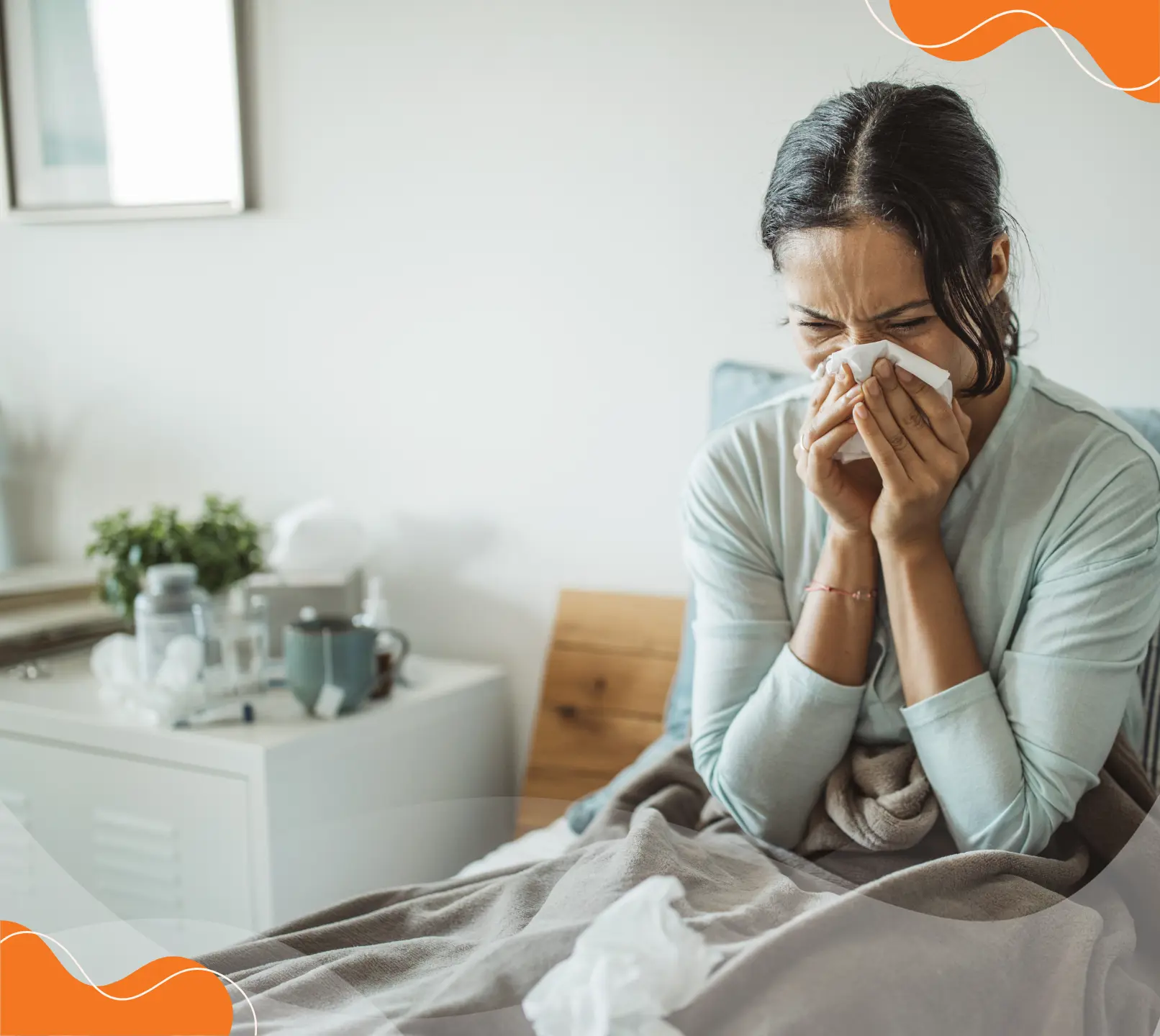
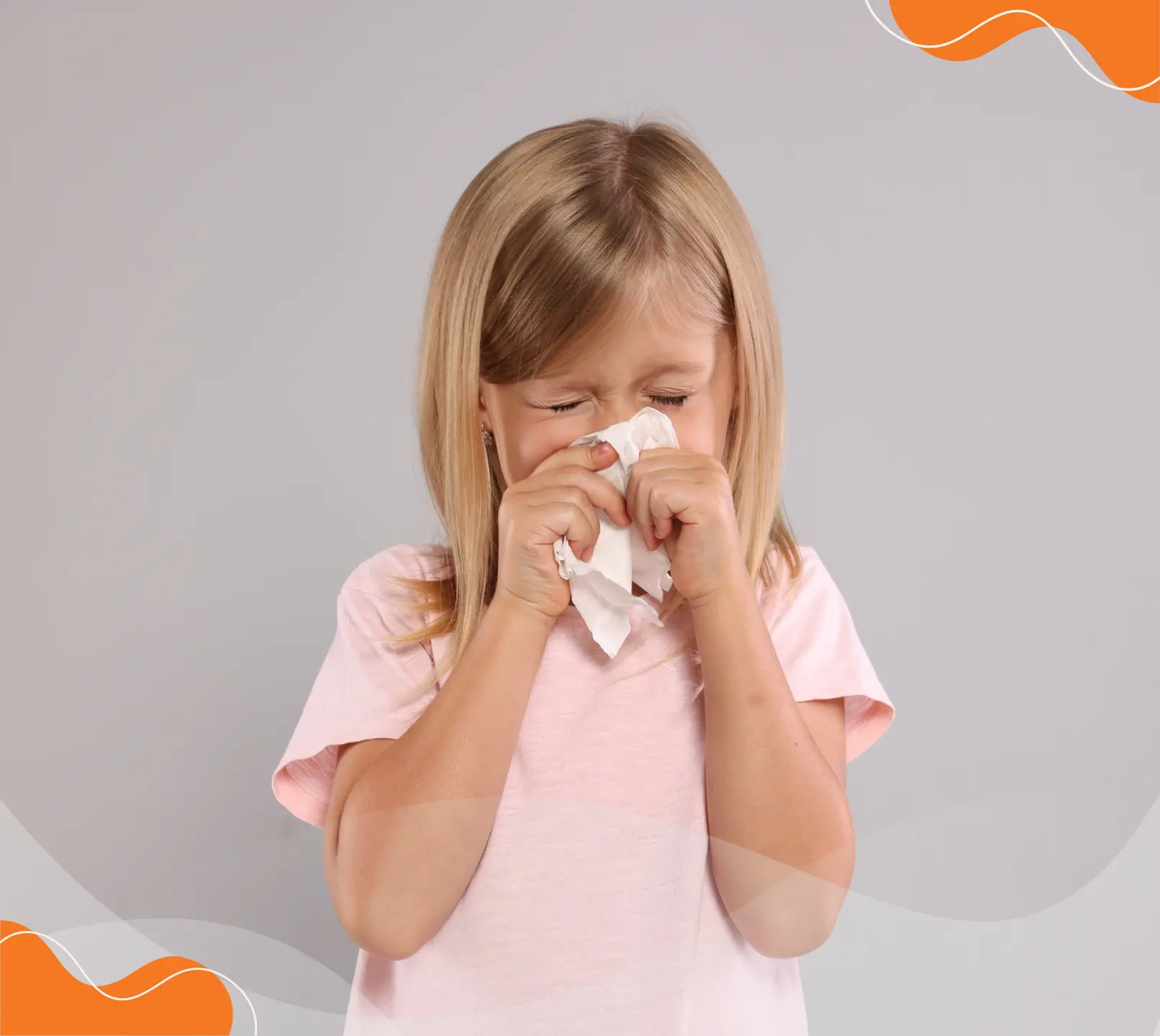
The flu is a viral infection that hits your respiratory system. It tends to come on fast, usually within hours, bringing fever, body aches, fatigue, headache, and a dry cough. Most people get through it at home within one to two weeks.
Pneumonia is an infection of the lungs themselves. The tiny air sacs in your lungs become inflamed and fill with fluid, making it hard to breathe. It can be caused by bacteria, viruses, or fungi, and it is generally more serious than flu, with a higher chance of needing hospital treatment.
What Does the Flu Feel Like vs. Pneumonia?
The symptoms overlap, which is why it can be hard to tell them apart without a GP's assessment. The main differences come down to where the illness hits and how severe things get.
Symptom | Flu | Pneumonia |
Onset | Sudden (within hours) | Gradual or sudden |
Fever | Common (often high) | Common (often high and persistent) |
Cough | Dry, persistent | Productive (may bring up phlegm) |
Chest pain | Uncommon | Common; worsens with breathing |
Breathlessness | Mild | Often significant |
Body aches | Prominent | Less prominent |
Fatigue | Significant | Significant |
Confusion | Rare (except in older adults) | More common, especially in older adults |
Not sure if you have the flu, pneumonia, a cold, or COVID-19? See a GP to check your symptoms and advise you on how to make the fastest recovery.
Can the Flu Lead to Pneumonia?
Yes, and it happens more often than many people realise. The flu is one of the leading preventable causes of pneumonia in Australian adults, and it sends a significant number of people to hospital every winter.
Here is why: the flu weakens your airways and your immune defences, creating an opening for bacteria to move in and infect the lungs. The most common result is secondary bacterial pneumonia, where bacteria settle into lungs that have already been weakened by the flu. Less commonly, the flu virus itself can infect the lungs directly, causing viral pneumonia.
The NCIRS reports that a small proportion of people infected with influenza develop pneumonia leading to hospitalisation and death, and that in 2024, Australia recorded 500 influenza-associated deaths.
Pneumonia after the flu typically develops 5 to 10 days in. In some cases, you might feel like you are on the mend and then suddenly get worse. Doctors call this the "secondary dip," and it is a sign that something else may be happening.
Warning Signs That Flu May Be Turning Into Pneumonia
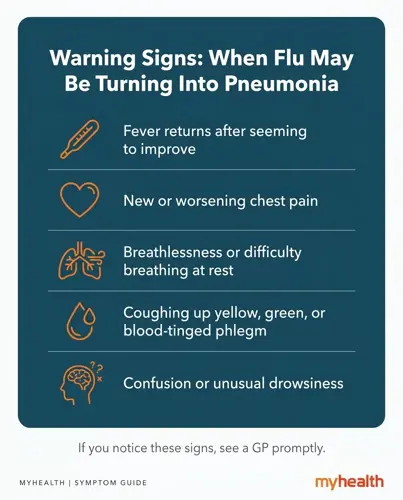
See a GP urgently if you or someone in your care experiences any of the following during or after a flu illness:
• Fever that returns after seeming to improve, or a persistent high temperature
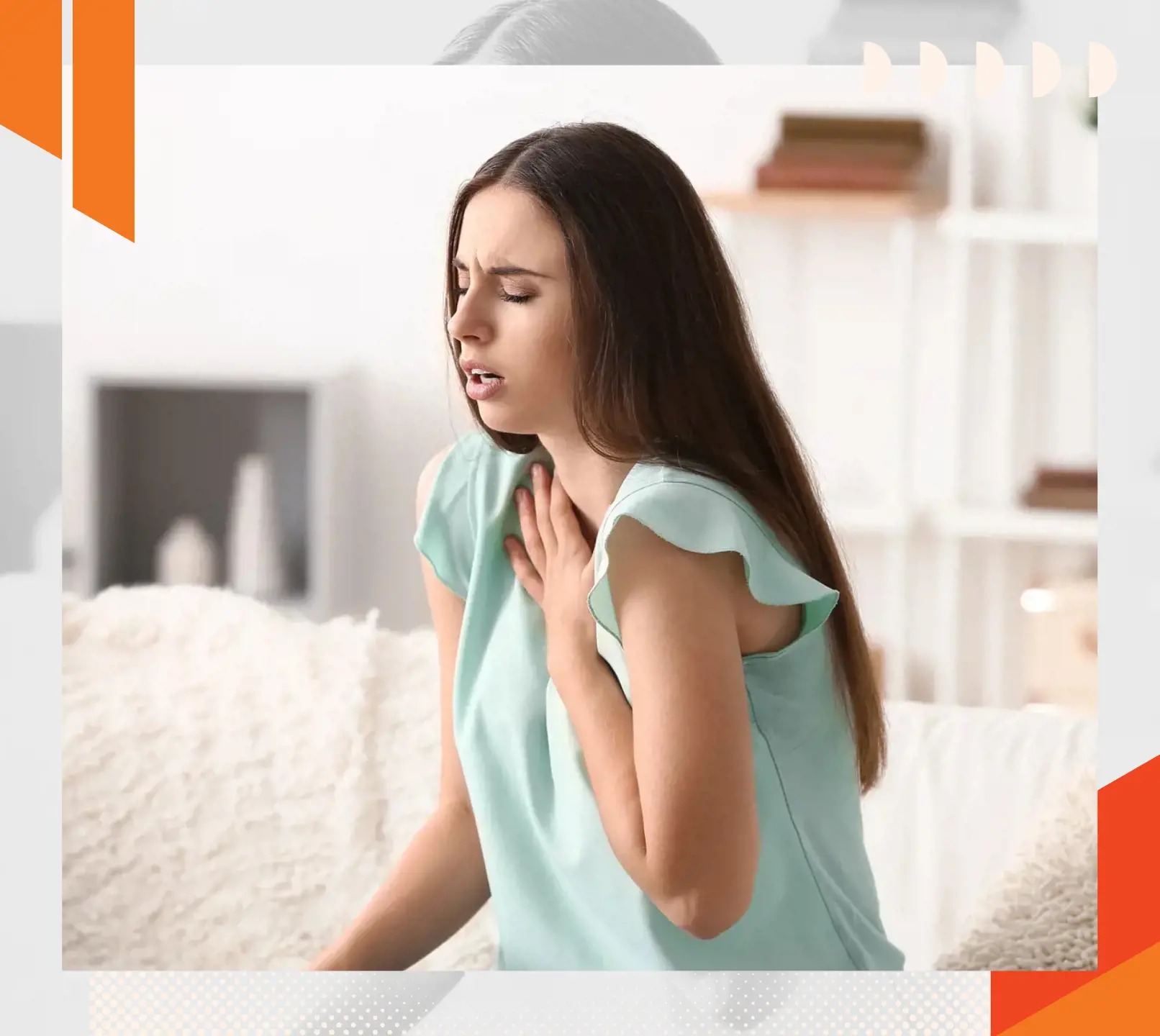
• New or worsening chest pain, particularly pain that is sharp or worsens with breathing
• Significant breathlessness or difficulty breathing at rest
• Coughing up yellow, green, or blood-tinged phlegm
• Confusion or unusual drowsiness, especially in older adults
Note: These symptoms can indicate a serious complication. Do not wait to see if they resolve on their own.
Who Is Most at Risk of Flu-Related Pneumonia?
Anyone can develop pneumonia after the flu, but some people are at significantly higher risk. These are the same groups who qualify for free vaccination under Australia's National Immunisation Program (NIP).
You are in a higher-risk group if you are:
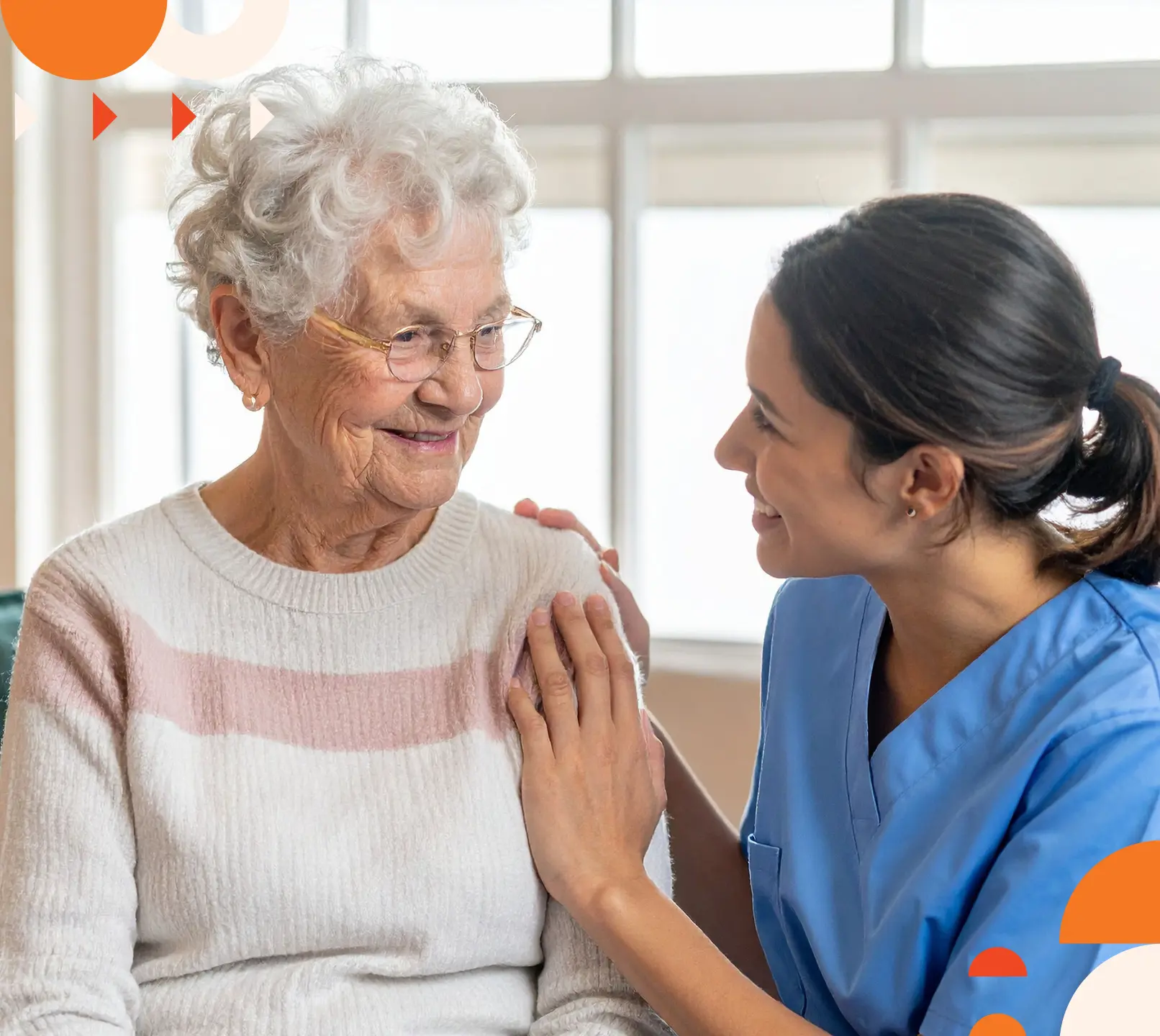
• Aged 65 or over — immune responses slow down with age, and respiratory illness takes longer to recover from
• Aboriginal or Torres Strait Islander — higher rates of chronic disease increase the risk of serious complications
• Living with a chronic condition — including lung disease (such as asthma or COPD), heart disease, kidney or liver disease
• Living with diabetes
• Immunocompromised — including people on immunosuppressant medications or undergoing cancer treatment
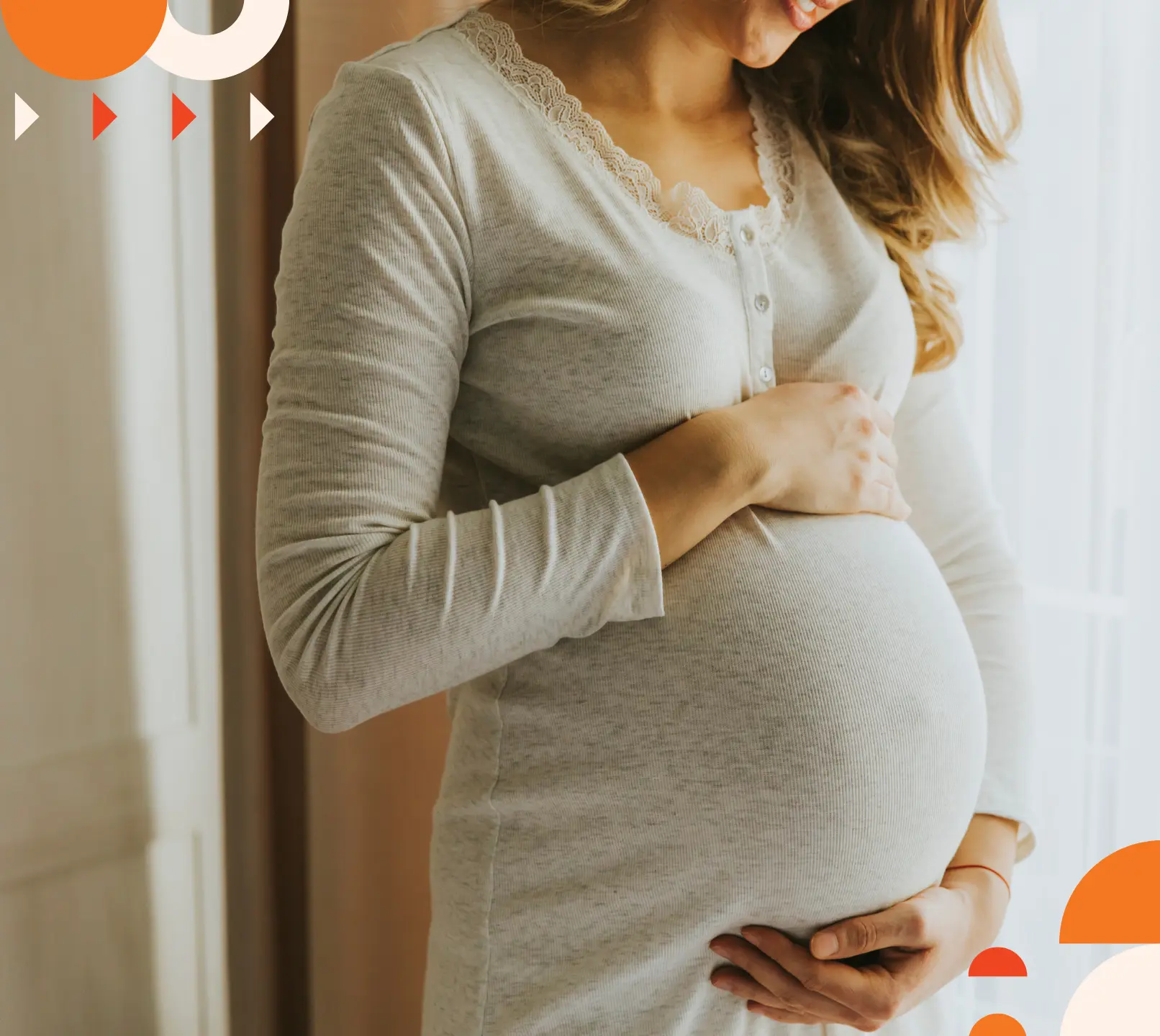
• Pregnant — changes to the body during pregnancy increase vulnerability to severe flu; see flu during pregnancy
• Under five years old — flu in young children can move quickly in this age group
If you are in one of these groups, knowing your vaccination status and acting quickly when flu symptoms start can matter a great deal. For more on what to watch for in older Australians, see flu in older adults.
How Vaccination Protects Against Both Flu and Pneumonia
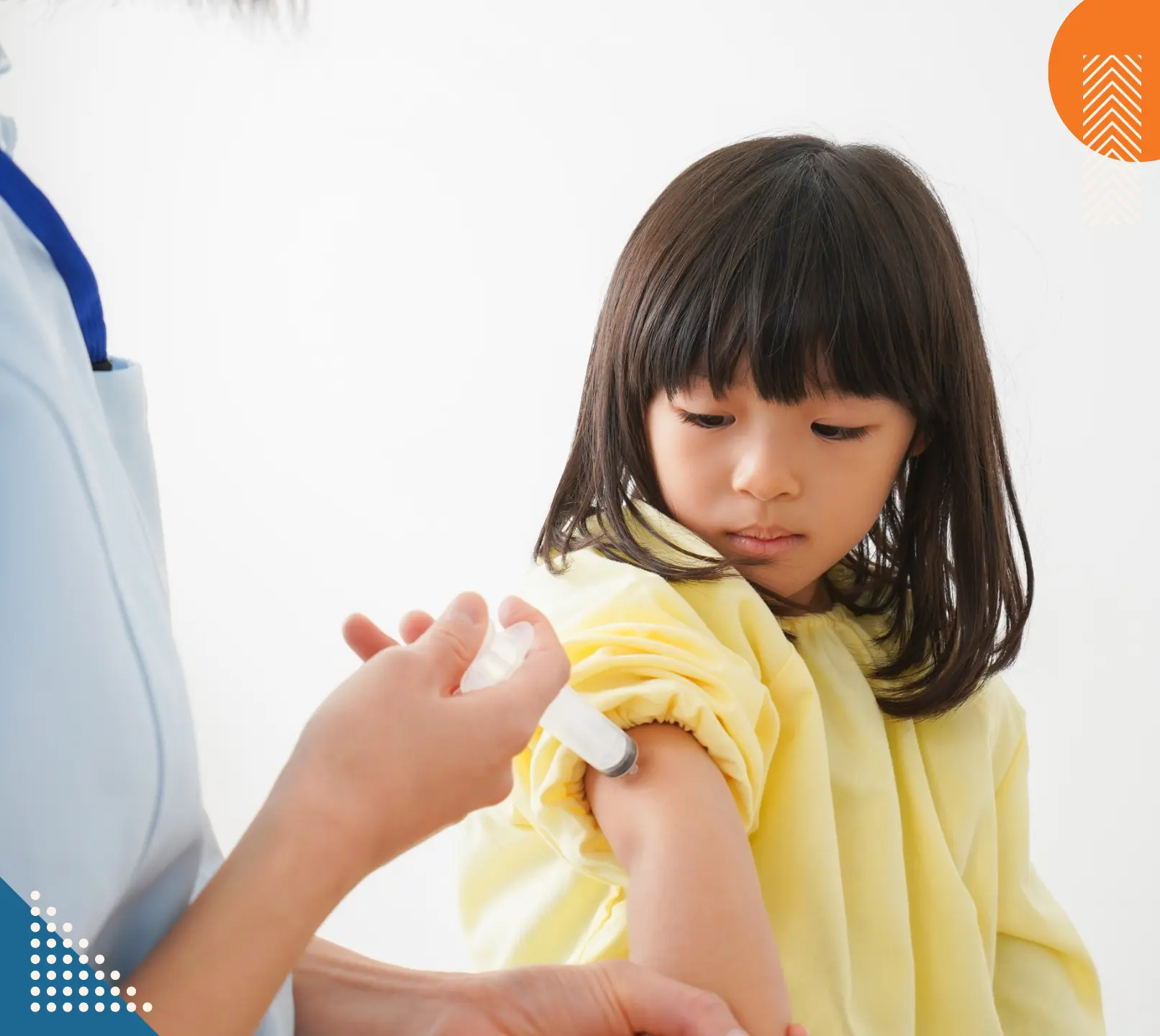
There are two vaccines that work together to reduce your risk: one targets flu, the other targets the bacteria most commonly responsible for pneumonia after the flu. Both can be given at a single GP appointment.
The Flu Vaccine
The flu vaccine is your best protection against the illness that often starts the chain leading to pneumonia. Because flu viruses change each year, the vaccine is updated annually. The best time to get it is before the end of April, ahead of the southern hemisphere flu season.
The flu vaccine is free under the National Immunisation Program for:
• Adults aged 65 and over
• Aboriginal and Torres Strait Islander people aged 6 months and over
• Pregnant women
• Children aged 6 months to under 5 years
Flu vaccination at Myhealth is available for all eligible patients. A nasal spray flu vaccine is also an option for eligible children. For vaccine options specifically for older Australians, see flu vaccination for older Australians.
The Pneumococcal (Pneumonia) Vaccine
The pneumococcal vaccine protects against the bacteria most commonly responsible for serious pneumonia after flu. Unlike the flu vaccine, you do not need this one every year.
The pneumococcal vaccine is free under the NIP for:
• All infants (as part of the childhood vaccination schedule)
• Adults aged 70 and over
• Aboriginal and Torres Strait Islander adults aged 50 and over
• People with medical conditions that increase the risk of serious pneumococcal disease
If you do not qualify for a free dose, it is available on private prescription through GPs and some pharmacies. A GP can check your vaccination history and let you know if you are due for a dose.
Can You Get Both Vaccines at the Same Time?
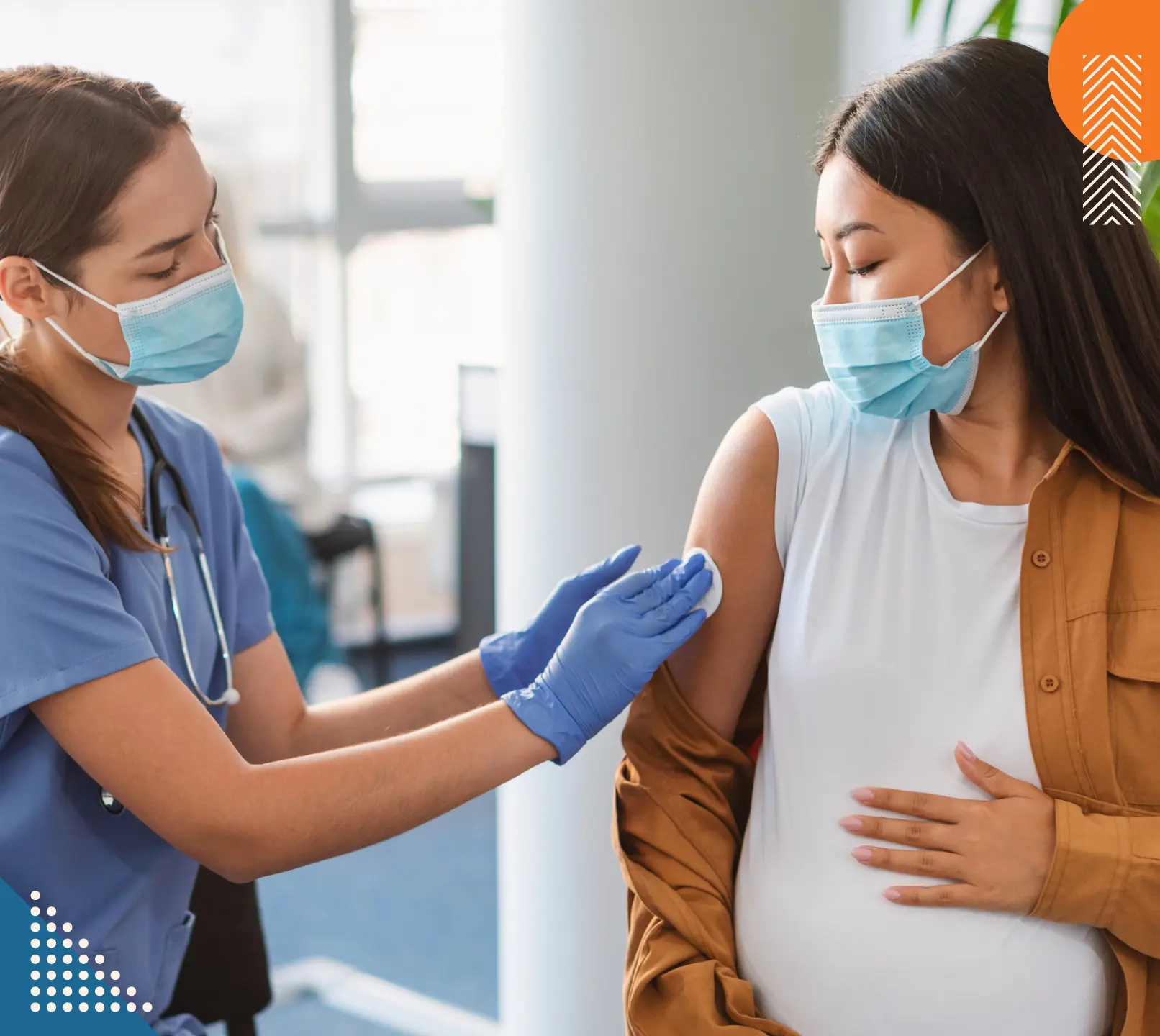
Yes, and it is the most practical option for most people. The NCIRS confirms that flu vaccines and pneumococcal vaccines can be given at the same appointment, with no exceptions. Where both are given at the same visit, they are typically administered in separate arms.
One appointment. Two vaccines. Comprehensive protection.
Protecting Yourself & Your Circle This Winter
Flu and pneumonia are different illnesses, but for many Australians they go hand in hand. Preventing flu, especially through vaccination, is one of the most effective ways to lower your risk of pneumonia too.
The flu vaccine and the pneumococcal vaccine each target a different part of the risk. Together, they offer stronger protection than either one alone. A GP can check your vaccination history and confirm which vaccines you are due for, often in a single standard appointment.
The best time to get vaccinated is before the end of April. Do not wait until flu season is already underway.
Frequently Asked Questions
Can the flu turn into pneumonia?
Yes. Flu weakens the lining of your airways and your immune defences, creating an opening for bacteria to infect the lungs and cause secondary bacterial pneumonia. Less commonly, the flu virus itself can infect the lungs directly. Pneumonia after the flu usually develops 5 to 10 days in, sometimes after you have started to feel better.
How do you know if the flu turns into pneumonia?
Watch for warning signs, especially if you seem to be improving and then get worse again. Key things to look for include a fever that returns after improving, new or worsening chest pain, significant breathlessness at rest, coughing up discoloured phlegm (yellow, green, or blood-tinged), and confusion or unusual drowsiness. See a GP promptly if any of these develop.
What are the four danger signs of pneumonia?
The main danger signs are fast or difficult breathing, chest pain that worsens when you breathe in, a high or persistent fever, and confusion or unusual drowsiness, particularly in older adults. Any of these signs mean the infection may be serious. See a GP or go to an emergency department without delay.
Is pneumonia worse than the flu?
Generally, yes. Pneumonia is more likely to require hospitalisation and carries a higher risk of serious complications. The AIHW reports that lower respiratory infections, which include pneumonia, caused nearly 2,600 deaths in Australia in 2022. That said, severe flu can also be life-threatening, particularly for older adults, pregnant women, and people with chronic health conditions.
What is walking pneumonia, and is it related to flu?
Walking pneumonia is a milder form of pneumonia usually caused by a different bacterium, not the type typically linked to flu complications. It does not usually follow a flu infection. People sometimes confuse it with lingering flu symptoms because both cause fatigue and a persistent cough. A GP can work out which is which, as the treatment is different.
Can I get the flu and pneumonia vaccine at the same time?
Yes. The NCIRS confirms that flu vaccines and pneumococcal vaccines can be given at the same appointment with no exceptions, typically in separate arms. One visit is all it takes to get protection against the two most common preventable causes of serious winter respiratory illnesses in Australia.
How long do flu and pneumonia last?
The flu typically clears within one to two weeks. Bacterial pneumonia usually improves within one to three weeks with appropriate antibiotic treatment. Viral pneumonia may take one to four weeks to resolve. Fatigue often lingers well beyond apparent recovery, particularly in older adults and those who were seriously unwell.
References
1. National Centre for Immunisation Research and Surveillance (NCIRS) -- Influenza vaccines: frequently asked questions -- https://ncirs.org.au/influenza/influenza-vaccines-frequently-asked-questions-faqs -- Accessed 2026-04-06
2. Australian Institute of Health and Welfare (AIHW) -- Infectious and communicable diseases -- https://www.aihw.gov.au/reports/australias-health/infectious-and-communicable-diseases -- Accessed 2026-04-06
3. Australian Institute of Health and Welfare (AIHW) -- Pneumococcal disease in Australia 2025 fact sheet -- https://www.aihw.gov.au/getmedia/9b5b848f-53c2-483c-881d-7c41b76f3b46/aihw-phe-236_pneumococcal_2025.pdf -- Accessed 2026-04-06
4. NCIRS -- Co-administration of vaccines for adults: a guide for immunisation providers (March 2025) -- https://ncirs.org.au/sites/default/files/2025-03/Co-administration%20of%20vaccines%20for%20adults_March%202025.pdf -- Accessed 2026-04-06
5. Australian Immunisation Handbook -- Pneumococcal disease -- https://immunisationhandbook.health.gov.au/contents/vaccine-preventable-diseases/pneumococcal-disease -- Accessed 2026-04-06
6. Australian Government Department of Health -- National Immunisation Program Schedule -- https://www.health.gov.au/resources/publications/national-immunisation-program-schedule -- Accessed 2026-04-06