

Key Takeaways
Diabetes is a chronic but manageable condition. Type 1, type 2, gestational, and pre-diabetes each have different causes and care pathways.
A GP is the starting point for diabetes care in Australia. A GP can diagnose it, register you with the NDSS, and coordinate a Chronic Condition Management Plan.
Most diabetes diagnoses are made through a blood test (HbA1c or fasting glucose) ordered by a GP.
Long-term care includes regular monitoring (HbA1c, blood pressure, cholesterol, eye and foot checks) and a multidisciplinary team coordinated by your GP.
GP appointments for eligible patients may be bulk-billed at Myhealth clinics, and the NDSS subsidises supplies after diagnosis.
Diabetes is one of the most common long-term medical conditions in Australia, and one of the most manageable with the right support. A high blood sugar reading, or a recent diagnosis of diabetes, often raises more questions than it answers: what type it is, what it means day to day, and what happens next.
A GP is where those questions get sorted out. Diagnosis, registration with the NDSS, and an ongoing care plan all start with a GP appointment, and no referral is needed.
What Is Diabetes?
Diabetes is a chronic condition where the body cannot regulate blood glucose properly. Either the pancreas does not produce enough insulin (type 1), or the body does not respond effectively to the insulin it produces (type 2, gestational, and pre-diabetes).
Glucose is the sugar in your bloodstream that your body uses for energy. Insulin is the hormone that helps glucose move out of the bloodstream and into your cells. When that process breaks down, glucose builds up in the blood, which is what causes the symptoms and longer-term consequences of diabetes.
Diabetes is manageable. The GP-led pathway in Australia is well established, and most patients diagnosed today live full and active lives with the right plan in place.
How Common Is Diabetes in Australia?
Diabetes is one of the most common chronic conditions GPs manage in Australia. According to the Australian Bureau of Statistics, one in twenty Australians (5.3%, or 1.3 million people) had diabetes in 2022.
After diagnosis, ongoing support is provided through the National Diabetes Services Scheme (NDSS), a government-funded scheme that subsidises supplies and provides educational resources for people registered through their GP or credentialled diabetes educator.
The Types of Diabetes Explained
Four common types of diabetes are diagnosed in Australia. Diabetes Australia groups them as type 1, type 2, gestational, and pre-diabetes, and each one has its own causes and care pathway.
Type 1 Diabetes
Type 1 diabetes is an autoimmune condition. The immune system mistakenly destroys the insulin-producing cells in the pancreas, which means the body cannot make insulin and requires insulin treatment from diagnosis.
Type 1 is most commonly diagnosed in childhood, adolescence, or young adulthood, though adults can develop it too. The adult-onset form is sometimes called Latent Autoimmune Diabetes in Adults (LADA), and it is not as rare as people assume.
Type 2 Diabetes
Type 2 diabetes is the most common form of diabetes in Australia. It typically develops in adulthood and has many contributors, including genetics, age, family history, and lifestyle factors. It is not caused by any one thing.
In its early years, type 2 diabetes is often managed with lifestyle changes and oral medications. Insulin may be added later if the condition progresses.
Gestational Diabetes
Gestational diabetes develops during pregnancy and usually resolves after childbirth. It increases the future risk of type 2 diabetes in the mother, which is why follow-up screening is recommended after the baby is born.
Gestational diabetes care is shared between the GP and the obstetric team, with endocrinology input.
Pre-diabetes
Pre-diabetes is when blood glucose is higher than normal but below the threshold for a diabetes diagnosis. It is the strongest window for prevention, because lifestyle changes at this stage can delay or prevent progression to type 2 diabetes.
Pre-diabetes is often picked up at a Medicare-funded health assessment, particularly the 40-49 Diabetes Risk Health Assessment.
Signs and Symptoms to Watch For
The common warning signs of diabetes are increased thirst, frequent urination, unexplained weight changes, fatigue, blurred vision, and slow-healing cuts. These signs can appear in any type, though they often vary in how quickly they come on.
Type 1 diabetes, especially in children, often presents acutely. The symptoms develop over days or weeks and tend to be hard to ignore.
Type 2 diabetes and pre-diabetes often present with no symptoms at all in the early stages, which is one of the reasons regular screening matters. Many people are diagnosed during a routine check, not because they noticed signs themselves.
The only way to confirm a suspected diabetes is a blood test ordered by a GP. If any of these signs apply to you, the next step is a GP appointment.
How a GP Diagnoses Diabetes
Diagnosis is straightforward. It involves a conversation with your GP plus one or more blood tests. No referral is required.
A typical pathway starts with a consultation covering your history, symptoms, family history, and risk factors. Your GP may run a brief risk-assessment tool such as AUSDRISK (the Australian Type 2 Diabetes Risk Assessment Tool) for type 2 diabetes risk, then order blood tests and arrange a follow-up consultation to talk through the results.
If diabetes or pre-diabetes is confirmed, the next conversation is about care planning. Patients who screen as high risk for type 2 diabetes may also be eligible for the 40-49 Diabetes Risk Health Assessment under Medicare.
Tests Your GP May Order
The common tests for diagnosing diabetes in Australia are:
Fasting blood glucose: measures blood sugar after an overnight fast.
HbA1c: reflects average blood sugar over the past three months, and is the most common single test for diagnosing type 2 diabetes in adults.
Oral glucose tolerance test (OGTT): used in pregnancy to screen for gestational diabetes, and sometimes in other situations.
Random blood glucose: used when symptoms are present and a fast cannot be arranged.
After the Diagnosis: What's Next
Diagnosis is the start of a structured diabetes management plan. The first conversation usually covers NDSS registration, an initial management plan, and any referrals to allied health that the GP wants to set up early.
GP-Led Diabetes Care: What to Expect
Ongoing diabetes care is a long-term partnership between you, your GP and a wider care team. Most patients with diabetes can access a Chronic Condition Management Plan through their GP.
The Chronic Condition Management Plan (GPCCMP, sometimes still called the Chronic Disease Management Plan) is the current Medicare framework that replaced the GP Management Plan and Team Care Arrangements in mid-2025. The GPCCMP unlocks subsidised allied health visits, including dietitian, exercise physiologist, and podiatrist appointments.
Your Care Team
The GP is the coordinator. Most patients do not see everyone on the list. Your GP shapes the team around your situation.
General Practitioner (GP): runs ongoing care and coordinates the team.
Practice nurse: routine monitoring and education between GP visits.
Accredited Practising Dietitian: individualised eating-plan support.
Diabetic educator: provide education and support.
Exercise physiologist: tailored activity planning.
Podiatrist: foot checks and ongoing foot health.
Optometrist: eye checks for diabetic retinopathy.
Psychologist: mental health support, especially around adjustment to a new diagnosis.
Endocrinologist: for type 1, complex type 2, or where care needs specialist input.
Monitoring Your Numbers
Long-term diabetes care tracks a small set of numbers over time. These usually include HbA1c every three to six months, kidney and cholesterol blood test monitoring, frequent blood pressure checks, regular urine checks, an annual diabetic eye check, foot checks, and weight and waist circumference monitoring.
Treatment Options and Medications
Diabetes treatment is rarely one-size-fits-all. The conversation between you and your GP is shared decision-making based on the type of diabetes, your overall health, and what suits your situation.
Lifestyle First
Lifestyle change is the foundation of every diabetes care plan. A GP typically coordinates this with allied health.
A dietitian for an individualised eating plan tailored to your blood sugar pattern.
An exercise physiologist for a movement plan that suits your fitness and any joint or chronic-condition limits.
Sleep, stress, and weight management as part of the wider picture.
Diabetes Medications
Several classes of medication are used in Australia for diabetes. The most common medications for type 2 diabetes include oral anti-diabetics (e.g., metformin) and injections (e.g.,GLP-1 receptor agonists, insulin).
Insulin is essential from diagnosis in type 1 diabetes. It is sometimes added in advanced type 2 diabetes when the condition has progressed beyond what other medications can manage. Your GP will explain which class is appropriate, how it is taken, and what to monitor.
Continuous Glucose Monitors
Continuous glucose monitors (CGMs) are a monitoring tool, not a treatment. They give a real-time picture of blood sugar across the day and night, which can help fine-tune a treatment plan.
NDSS subsidy access for CGMs depends on eligibility criteria, and the GP is the gateway for prescription and access.
Diabetes Complications: What Your GP Watches For
Long-term diabetes care reduces the risk of complications. Regular monitoring catches early changes before they become bigger problems.
The main areas your GP watches over time are:
Eyes: diabetic retinopathy, picked up at annual eye checks.
Feet: neuropathy and ulcers, tracked at routine foot exams.
Kidneys: nephropathy, monitored with urine and blood tests.
Heart and circulation: cardiovascular risk, picked up through blood pressure, cholesterol, and lifestyle reviews.
Mental health: the emotional load of a long-term condition is part of routine care, not separate to it.
Complications are not inevitable. Most are preventable or manageable with structured GP-led care.
Common Misconceptions About Diabetes
A few reasons people delay a diabetes conversation, with the short version of why each one is worth setting aside:
"Type 2 diabetes is my fault." Type 2 has many contributors. Genetics, age, family history, and lifestyle are all factors. Blame is not part of the diagnosis.
"Once I start insulin, I'll be on it forever." Whether insulin is permanent depends on the type of diabetes and the situation. For some patients it is lifelong (as in the case of Type 1 Diabetes)."Diabetes can be cured." Type 2 diabetes can sometimes enter remission with significant lifestyle change. Type 1 cannot be reversed. The right word is remission, not cure.
"Sugar causes diabetes." Sugar consumption is one risk factor among many. It is not the single cause.
"If I have no symptoms, I don't have diabetes." Pre-diabetes and early type 2 are often symptomless. A blood test is the only way to confirm.
When to Talk to a GP About Diabetes
A short list of moments worth booking an appointment:
You have one or more of the warning signs above.
A family member has been diagnosed and you want to know your own risk.
You have been told you have a high AUSDRISK score or a borderline blood test.
You are pregnant and have been asked to do a gestational diabetes test.
You already have diabetes and have not had a GP check-in in the past 3 to 6 months.
Pregnancy care during gestational diabetes is shared between the GP and the obstetric team, with endocrinology input.
Paediatric type 1 care is shared with paediatric endocrinologists.
GP consultations for eligible patients may be bulk-billed at Myhealth clinics.
Book a Diabetes Appointment at a Myhealth Clinic
Whether you have a worrying test result or a recent diagnosis, a GP appointment is the place to start. Your GP will explain what tests come next, what the results mean, and what care looks like from there.
Book a GP appointment at your nearest Myhealth clinic today.
Frequently Asked Questions
What should I do if I think I have diabetes?
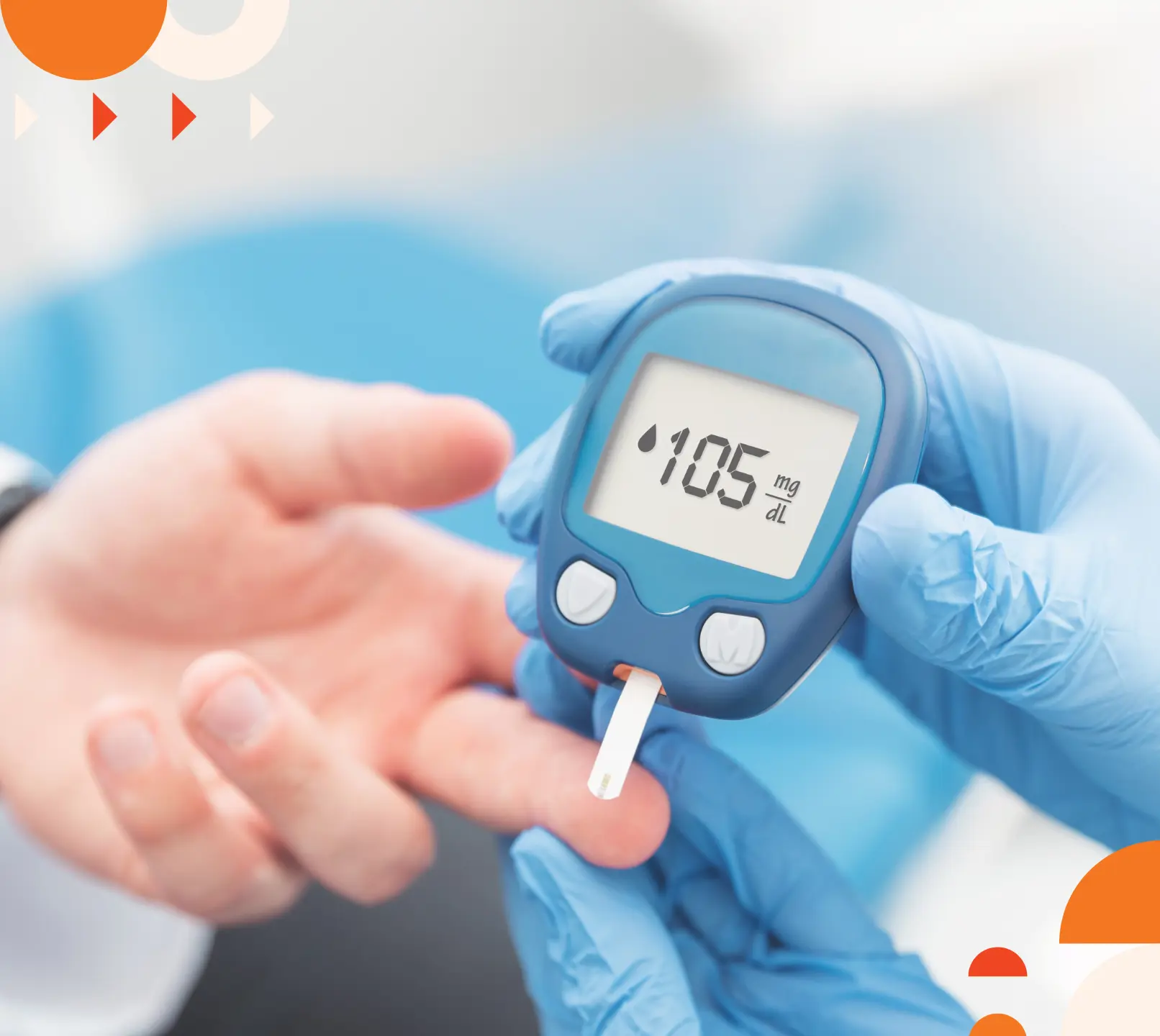
Book a GP appointment, and your GP will order the relevant blood tests. A finger-prick or fasting blood glucose test can give a quick signal, with HbA1c following if needed. No referral is required, and a same-day or next-day appointment is the right move if you have symptoms.
How do I know if I have diabetes?
You cannot tell for certain without a blood test. Common warning signs include increased thirst, frequent urination, unexplained weight changes, fatigue, and blurred vision. Some types, especially early type 2 and pre-diabetes, can present with no symptoms at all, which is why a blood test is the only way to confirm.
Can diabetes be reversed?
Type 1 diabetes cannot be reversed. Type 2 diabetes can sometimes enter remission with significant and sustained lifestyle change, where blood sugar returns to a normal range without medication. The right word is remission, not cure. Your GP can talk through what is realistic for your situation.
Is diabetes hereditary?
Family history raises the risk of both type 1 and type 2 diabetes, but it is not the only factor. Many people with diabetes have no affected relatives, and many people with a family history never develop it themselves. If a parent or sibling has been diagnosed, a GP check is a sensible step.
How often should I see a GP if I have diabetes?
Most patients with stable diabetes see a GP every three to six months. Newly diagnosed patients or those in active medication adjustment may need shorter intervals, sometimes monthly at first. Your GP sets the cadence based on your HbA1c, blood pressure, and how the plan is tracking.
Is diabetes care free in Australia?
Patients may be eligible for bulk-billed GP consultations, and NDSS provides subsidies on supplies after registration. Specialist care accessed privately rather than through the public hospital system may carry out-of-pocket costs. Your GP can explain what applies to your situation when your management plan is built.
References
Australian Bureau of Statistics — Diabetes, 2022 (5.3%, or 1.3 million Australians, had diabetes in 2022) — https://www.abs.gov.au/statistics/health/health-conditions-and-risks/diabetes/latest-release — Accessed 2026-06-04
Diabetes Australia — About diabetes (types: type 1, type 2, gestational, pre-diabetes; type 2 can be put into remission) — https://www.diabetesaustralia.com.au/about-diabetes/ — Accessed 2026-06-11
Healthdirect — Diabetes (common symptoms; diagnostic blood tests: random and fasting blood glucose, OGTT, HbA1c) — https://www.healthdirect.gov.au/diabetes — Accessed 2026-06-11
Diabetes Australia — Risk Calculator (AUSDRISK) (Australian Type 2 Diabetes Risk Assessment Tool) — https://www.diabetesaustralia.com.au/risk-calculator/ — Accessed 2026-06-11
National Diabetes Services Scheme (NDSS) — Home (government-funded scheme subsidising supplies and resources after registration) — https://www.ndss.com.au/ — Accessed 2026-06-04
National Diabetes Services Scheme (NDSS) — Continuous glucose monitoring (CGM) (subsidised CGM products for eligible people; eligibility criteria apply) — https://www.ndss.com.au/about-the-ndss/cgm/ — Accessed 2026-06-11