
Dr Anna Uridge’s Key Takeaways
Type 1 diabetes symptoms come on quickly, often over days to weeks. The 4Ts (Toilet, Thirsty, Tired, Thinner) are the simplest plain-English warning checklist.
Type 1 can develop at any age. Adults make up a meaningful share of new diagnoses each year in Australia.
Type 1 is autoimmune. It is not caused by diet, sugar, or lifestyle. There is no blame.
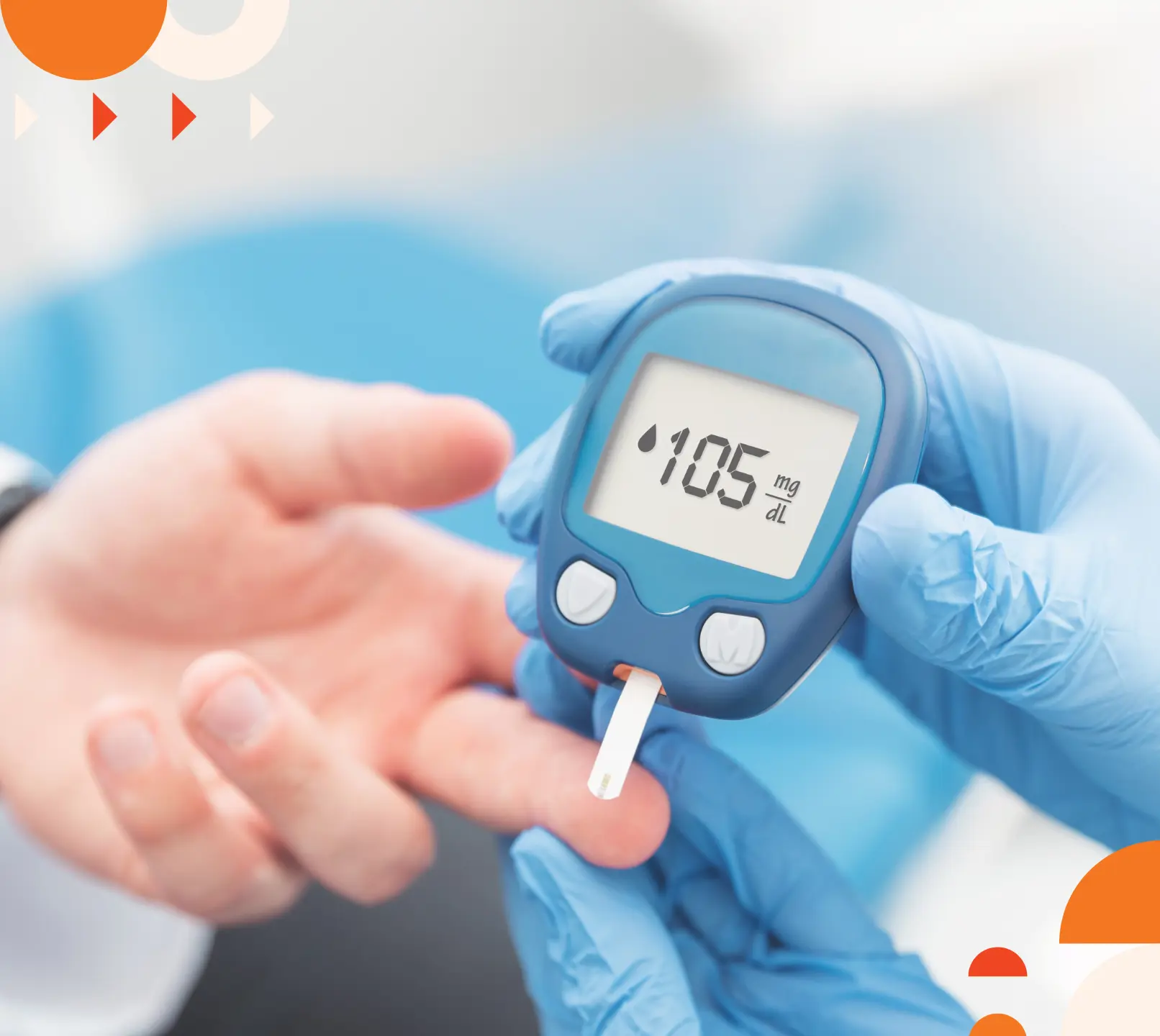
A GP can run a simple finger-prick test at the appointment to give an immediate signal.
Severe symptoms (vomiting, deep breathing, fruity breath, confusion) are a medical emergency. Call 000 or go to the nearest ED.
What Is Type 1 Diabetes?
Type 1 Diabetes Mellitus is an autoimmune condition. The immune system mistakenly destroys the insulin-producing cells (beta cells) in the pancreas, which means the body cannot make enough insulin to regulate blood glucose.
Without insulin, glucose builds up in the bloodstream instead of moving into the body's cells where it is needed for energy. The kidneys try to flush the extra glucose out through urine, which is why people with undiagnosed (or poorly controlled) type 1 diabetes urinate more often, become very thirsty, lose weight, and feel exhausted. Those four changes are the basis of the 4Ts warning checklist.
Type 1 is not caused by lifestyle, by what someone ate, or by anything the patient or parent did or did not do.
Type 1 is different from type 2 diabetes. In type 2, the body still produces insulin but cannot use it effectively. The causes, the onset, and the treatment pathways are different.
How Common Is Type 1 Diabetes in Australia?
Type 1 diabetes accounts for around 10% of all diabetes cases in Australia, according to Diabetes Australia. The Australian Bureau of Statistics reports that around 1.3 million Australians had diabetes in 2022, the majority of whom have type 2.
National data on total type 1 diabetes prevalence at all ages is limited, but ongoing support is well established in Australia through the National Diabetes Services Scheme (NDSS), which subsidises supplies and provides education after diagnosis. Type 1 can be diagnosed at any age, though it is most often first recognised in children, teens, and young adults.
The Warning Signs to Watch For
The earliest warning signs of type 1 diabetes are often grouped under the 4Ts, a plain-English checklist used by Breakthrough T1D Australia.
Toilet: urinating more often, including at night.
Thirsty: constantly thirsty no matter how much you drink.
Tired: unusually fatigued or low energy.
Thinner: unintended weight loss.
Other signs include blurred vision, slow-healing cuts, fruity-smelling breath, nausea, and irritability or mood changes. The symptoms typically come on quickly, over days to weeks, which is one of the features that separates type 1 from type 2 diabetes.
Symptoms in Children and Teenagers
Type 1 is most often first recognised in children, teens, and young adults. Parents and caregivers tend to be the first to notice changes.
Signs to watch for in this age band include bedwetting in a child who was previously dry, constant thirst (asking for water repeatedly), tiredness or out-of-character mood changes, weight loss despite normal eating, and frequent thrush or yeast infections in toddlers.
Toddlers and very young children may not be able to express thirst or fatigue in words. Behavioural changes, unusual nappy patterns, or a child who suddenly seems "off" can be the first signal. Sydney Children's Hospital Network publishes a paediatric type 1 factsheet that can be a useful reference for parents who want a clinical-level summary.
Symptoms in Adults (Including Late-Onset Type 1)
Adults can develop type 1 diabetes too. The signs are sometimes missed because clinicians may initially assume diabetes in an adult is type 2.
A slower-onset form of type 1, known as Latent Autoimmune Diabetes in Adults (LADA), often appears after age 30 and is sometimes initially misdiagnosed as type 2. LADA shares the same autoimmune origin as classic type 1, but the symptoms tend to develop more gradually.
Adult-onset symptoms can still include the same 4Ts, but the slower pace is one of the reasons adults often attribute the early signs to stress, work, or a virus before the diagnosis is confirmed.
How Quickly Do Type 1 Diabetes Symptoms Develop?
Type 1 diabetes symptoms typically develop over days to weeks, not months or years. The speed of onset is one of the main features that distinguishes type 1 from type 2 diabetes.
In children, the onset can be especially fast. A child can appear fine one week and need emergency care the next, particularly if early symptoms have been put down to a virus.
Adult-onset cases (LADA) tend to develop more gradually, sometimes over weeks to months. The slower pace is one of the reasons adult cases are more often missed at first contact.
When the Symptoms are an Emergency: Diabetic Ketoacidosis
Untreated type 1 diabetes can quickly progress to a serious condition called diabetic ketoacidosis (DKA), which requires emergency treatment. DKA happens when the body, starved of glucose inside its cells, starts breaking down fat for energy and producing ketones, which build up in the blood and disrupt the body's chemistry.
The warning signs of DKA include:
Severe nausea or vomiting.
Deep or laboured breathing.
Fruity-smelling breath (a sign of ketones).
Confusion or drowsiness.
Severe abdominal pain.
Dehydration.
If you or your child are showing these signs, call 000 or go straight to the nearest emergency department. Do not wait for a GP appointment.
DKA is treatable in hospital, and the majority of people who present with DKA recover well once treatment begins.
If you or your child have severe vomiting, fruity-smelling breath, deep breathing or confusion alongside diabetes symptoms, this is an emergency. Call 000 or go to the nearest emergency department.
When to See Your GP
A short list of moments worth booking an appointment:
You or your child have any of the 4Ts (toilet, thirsty, tired, thinner) for more than a few days.
You have unintended weight loss with no obvious cause.
Your child has started bedwetting again after being dry, or is unusually irritable and thirsty.
A family member has been diagnosed with type 1 and you want to know your own risk.
You have already seen a GP and the symptoms have not improved.
A GP can run a simple finger-prick blood glucose test in the appointment itself, which gives an immediate signal of whether further testing is needed. If symptoms are pointing to type 1, a same-day appointment is the right move. GP consultations for eligible patients may be bulk-billed at Myhealth clinics - contact the Myhealth clinic to confirm.
If you have been to a GP recently and the symptoms have not gone away, do not feel guilty about coming back. Persistent symptoms warrant further investigation.
GP Appointment Overview
The diagnostic visit involves discussing symptoms, history, and often ordering blood tests to rule out diabetes.
Appointments typically include a finger-prick, fasting blood glucose, or HbA1c test, plus a urine ketone check for urgent cases. A strongly positive result leads to immediate hospital or specialist referral for insulin treatment.
If the diabetes type is unclear—common in adults—antibody and C-peptide tests are used to distinguish between type 1, LADA, and type 2. Antibody tests identify immune attacks on the pancreas, while C-peptide measures remaining insulin production.
Less urgent cases receive further blood work. Once confirmed, focus shifts to ongoing diabetes management plans.
Common Misconceptions About Type 1 Diabetes
Here are some common myths about Type 1 Diabetes Mellitus:
"Type 1 is caused by eating too much sugar." Type 1 is autoimmune. Sugar consumption does not cause type 1.
"Only children get type 1." Adults develop type 1 too, including in their 30s, 40s, 50s, and beyond.
"Type 1 and type 2 are basically the same." The causes, onset, and treatments are different.
"Type 1 can be reversed with diet." Type 1 requires insulin from diagnosis and cannot be reversed.
"If my GP didn't catch it, it can't be that." Type 1 symptoms can be subtle initially. If they persist, come back for a blood test.
Book a GP Appointment at a Myhealth Clinic
If the symptoms are severe (see the DKA section above), call 000 or go to the nearest emergency department. For warning signs that have lasted more than a few days, a GP appointment is the right next step: a short conversation plus a finger-prick test, and a clear explanation of what the result means and what comes next.
Book a GP appointment at your nearest Myhealth clinic today.
Frequently Asked Questions
How quickly do type 1 diabetes symptoms develop?
Type 1 diabetes symptoms typically develop over days to weeks, not months or years. In children, the onset can be very fast. Adult-onset cases (LADA) often develop more gradually, sometimes over weeks to months, which is one reason adult cases are more often missed at first.
Can adults develop type 1 diabetes?
Yes. Adults can develop type 1 diabetes at any age, including in their 30s, 40s, 50s, and beyond. Some adults may develop the slower-onset adult form, called Latent Autoimmune Diabetes in Adults (LADA). It shares the same autoimmune origin as classic type 1 and is sometimes initially misdiagnosed as type 2.
Is type 1 diabetes hereditary?
A family history of type 1 raises your risk, but most people who develop type 1 have no affected relatives. Genetics is one factor among several, and the trigger for the autoimmune process is still under research. If a parent or sibling has type 1, a conversation with a GP is a sensible step.
Can type 1 diabetes symptoms be confused with the flu or a stomach bug?
Yes, especially nausea, fatigue, and thirst, which can look like a viral illness in the early stages. If symptoms persist beyond a few days, return to a GP for a blood test. Persistent thirst and frequent urination together are unusual for a stomach bug.
What test will the GP order if I have these symptoms?
Most GPs start with a finger-prick or fasting blood glucose test, followed by HbA1c if appropriate, and a urine test for ketones if symptoms suggest urgency. If the diabetes type is unclear, the GP or specialist may order an antibody test and a C-peptide test to confirm whether the diagnosis is type 1, LADA, or type 2.
Can type 1 diabetes be prevented?
Type 1 diabetes is not caused by lifestyle and cannot be prevented in the way that type 2 sometimes can. Research into prevention, including therapies that delay the onset of type 1 in people at high risk, is ongoing internationally. For now, the best response is early diagnosis and prompt treatment.
References
Australian Bureau of Statistics — Diabetes, 2022 (around 1.3 million Australians had diabetes in 2022, majority type 2) — https://www.abs.gov.au/statistics/health/health-conditions-and-risks/diabetes/latest-release
Diabetes Australia — Type 1 diabetes (type 1 represents around 10% of all diabetes cases) — https://www.diabetesaustralia.com.au/about-diabetes/type-1-diabetes/
National Diabetes Services Scheme (NDSS) — https://www.ndss.com.au/
Breakthrough T1D Australia — Signs and symptoms (AU advocacy source using the 4 Ts framework) — https://breakthrought1d.org.au/what-is-t1d/signs-symptoms/ — Accessed 2026-06-11
Sydney Children's Hospital Network — Type 1 diabetes factsheet (paediatric clinical reference) — https://www.schn.health.nsw.gov.au/factsheets/type-1-diabetes